This year, I had the pleasure of participating in organizing an exhibition at the Yasnaya Polyana greenhouse as part of my graduation practice.


Until this point, I had never been to the Tula region, specifically to Yasnaya Polyana. Therefore, this became not only an academic project but also a personal travel experience for me.


The trip kicked off with a group meeting and anticipation for the next five days. After a relatively quick arrival at Yasnaya Polyana, the entire group immediately went on a guided tour of the park grounds, where we were introduced to local landmarks, including our future exhibition space—the greenhouse.
The territory was vast, with endless opportunities unfolding with every step. After meeting other students and settling into a local hotel, I immediately felt a surge of energy from the change of scenery. Trips like this into the Russian countryside are incredibly refreshing and allow you to slow down the usual pace of life in Moscow.


The lack of internet and connectivity was initially intimidating, but it ultimately gave me the chance to observe the natural surroundings, savor the moment, and absorb the atmosphere of this significant cultural spot. Strolling among the trees, having milk tea during breaks, the rustling leaves, and the vast open fields—all of it reminded me of my childhood. The pine forest brought me special delight; it’s my favorite type of forest in general, so it was a pleasure to record sounds there.


While working on an artwork, one inevitably begins to contemplate the life and the world around them. I feel Tolstoy himself sensed something similar here.


The landscapes around us captivated from the first second—as if a painting from the Tretyakov Gallery was unfolding before our eyes.


The nights outside the city are clear—with no unnecessary light, all the stars are visible overhead. During our work, my team and I had the chance to admire them after deciding to stay late in the greenhouse preparing for the upcoming exhibition.


Chicory became the central motif of the installation concept. The entire meaning rests in the deceptively simple story of how Tolstoy attempted to grow coffee. He invested tremendous effort chasing a dream that ultimately failed to materialize in his time; however, at one point, he decided to pivot his efforts toward chicory. And the chicory thrived. This story led our team to the realization that sometimes it is worthwhile to move away from the grand ambitions dictated by one’s contemporaries and find meaning in a simple, yet truly necessary, endeavor for the world.


My role in this project was creative; I handled fieldwork and material collection. It was a pleasure for me to observe wildlife in solitude, to listen to its voice. I recorded about an hour of audio from different parts of the park. One challenge in this type of work is finding a secluded spot without people—to have an intimate moment with nature, undisturbed. However, I managed to accomplish this task.


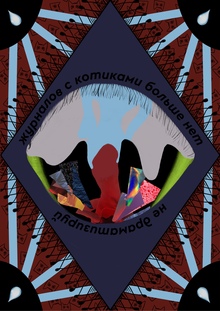
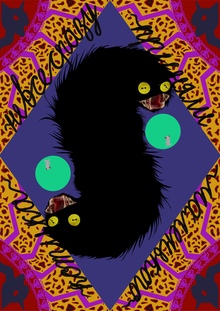
The final installation turned out to be wonderfully cozy and touching. It was a six-channel participatory installation. My colleagues and I drafted the exhibition text and prepared the greenhouse for the opening. On the designated day, everything went smoothly—visitors were curious to peer into the greenhouse, trying to understand what was happening. Perhaps it was unusual for the residents to have sound in what was normally a greenhouse. However, I hope this small piece prompted them to reflect, even for a moment, just as Yasnaya Polyana did for all of us. We also shared the greenhouse space with Anna, a master’s student in illustration. Her drawings beautifully complemented the overall composition and served as a visual guide for the viewers.