Visual Research: Rocketbank Relaunch Campaign through the Lens of Uses and Gratifications Theory and Dialogic Theory

(1) Introduction
Rocketbank is a Russian mobile bank that first existed from 2013 to 2020. The bank was known for informal communication, the absence of physical offices, and a positioning aimed at young users. After four and a half years, in May 2025, the bank announced its relaunch. The new version operates under the license of Sovcombank but uses a completely new technology stack and a different team.
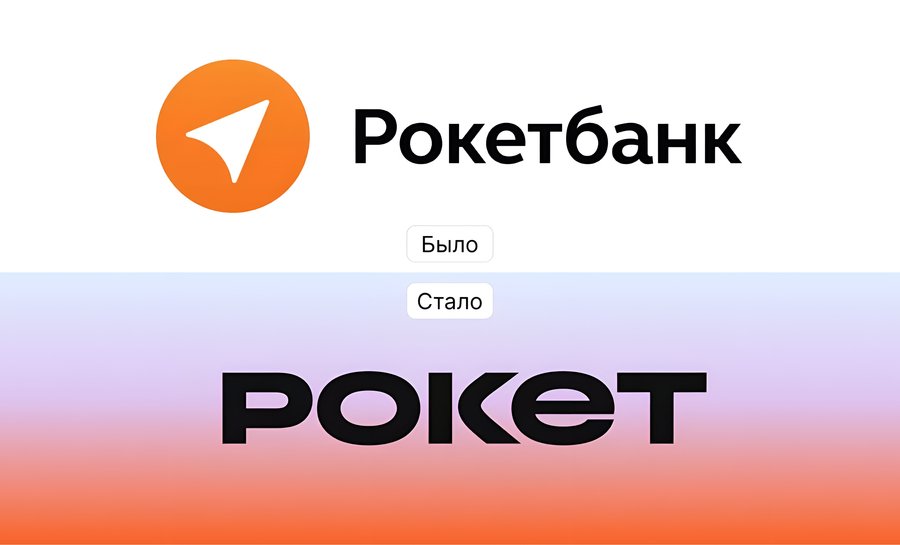
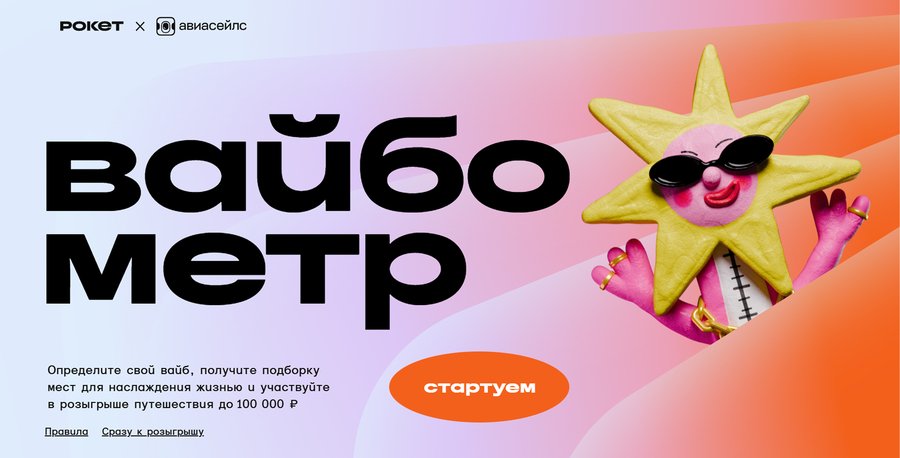
The launch is led by Anton Zakharov and Robert Sabiryanov, co‑founders of Blank Bank and former top managers of Modulbank. According to Zakharov, the relaunch represents «a big challenge and responsibility toward the former team and clients» with the goal of making Rocket 2.0 evoke strong emotions similar to the original. Rocketbank is positioned as a lifestyle brand rather than a traditional financial institution. The new positioning does not refer to interest rates or financial products. An independent strategic analysis by Yuri Nechaev, communication strategist at Cube, noted that, while other banks discuss rates and percentages, Rocketbank addresses a topic that financial institutions usually avoid: pleasure. The communication suggests that money is not the final goal but a context, a resource for experiences that define a person‘s identity. The main product is a paid subscription called Rocket Pass, priced at 300 rubles per month. The subscription provides access to curated selections of restaurants, local brands, events and private parties. Nechaev described the service as «a city having its own taste editor».

The brand faces a strategic conflict concerning its target audience. One part of the campaign openly addresses former clients of the old Rocketbank, who are mainly Millennials aged thirty to forty and older. Outdoor posters ask whether anyone has seen these former clients. Alexandra Fedorova, writing on TenChat, noted that Millennials have largely moved to other banks and would prefer a better mortgage rate rather than a joke; their needs have changed toward security and rational utility. Generation Z, in contrast, did not experience the old Rocketbank and is difficult to attract with a 300‑ruble card, even through humor and authenticity. This gap in targeting represents the main vulnerability of the campaign.
(2) Communication channels and PR strategy
The brand uses a hybrid strategy that combines offline and online channels. Offline communication includes outdoor advertising in Moscow and Saint Petersburg: billboards, posters at bus stops, digital screens, and posters with tear-off sheets.
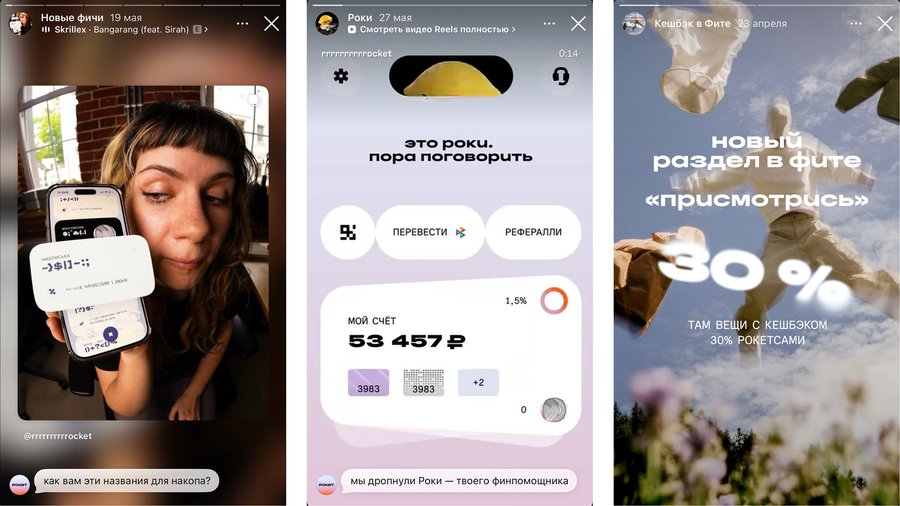
The advertising materials continue the brand‘s signature style with a conversational tone, without an emphasis on banking products. The Rocket’s advertising looks like «fragments of friends’ weekends or spontaneous smiles frozen in a Polaroid», rather than standard advertising brochures.
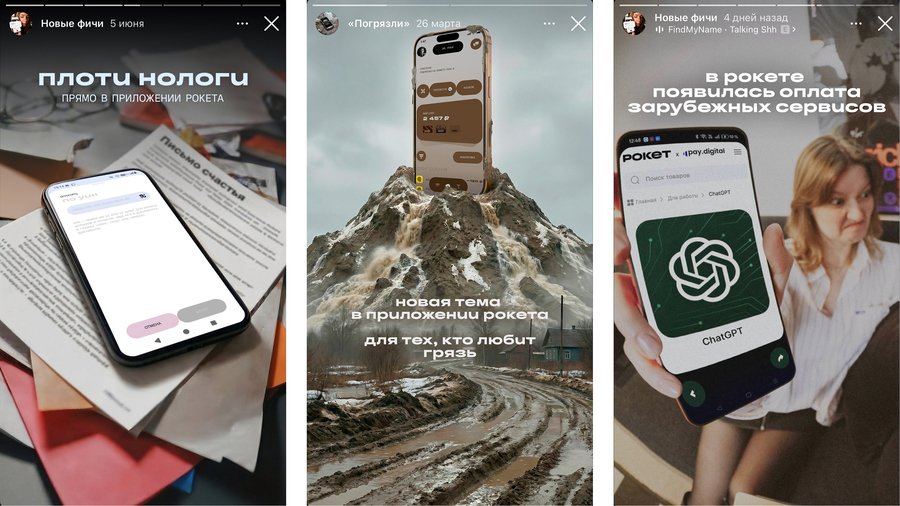
Online channels include a Telegram channel called «Rocketbank speaks!», VK, TikTok, Instagram* and YouTube. Within a few months after the relaunch, more than one thousand short videos on TikTok used the hashtag #РОКЕТБАНК. The brand also works with influencers and encourages user‑generated content.
*Meta Platforms Inc. (including Facebook, Instagram, and Threads) has been designated as an extremist organization and banned in the Russian Federation since 2022.
The PR strategy was called the «wave of memories». The campaign was managed by the agency Piarhub. The strategy started with a question: «Has anyone seen our ex-clients?» This question generated a wave of memes and spontaneous publications. According to Piarhub, people wrote about the old Rocketbank with warm emotions and sincere nostalgia, without paid marking or pricing, simply out of sympathy.
The nostalgic wave was picked up by major and minor Telegram channels. The campaign achieved more than one hundred media mentions and nearly 1.5 million social media views, mostly through organic distribution. Repeated exposure across all platforms created a habituation effect: each encounter with the brand builds familiarity and reduces resistance to the new visual identity.
(3) Brand analysis using communication theories
The core idea of UGT is that the audience is active. People do not ask what media does with people, but rather what people do with media. Users select media to satisfy their own psychological or social needs. The media compete with other resources for need satisfaction. Rocketbank does not sell financial products but the gratification of needs: hedonism, belonging to an exclusive group, and identity expression through consumption. The bank competes not with other banks but with entertainment, lifestyle media and community platforms.
Dialogic Theory requires five features: mutuality, propinquity, empathy, risk and commitment. Organizations should be willing to interact with the public in honest and ethical ways, and the relationship should be characterized by supportiveness and collaborative decision‑making. Rocketbank breaks the hierarchical bank‑client template. Customer support communicates without scripts or automated responses. The brand positions itself as a partner rather than an authority, inviting conversation instead of broadcasting commands.
Point 1: nostalgia as an attention trigger (UGT — information acquisition)
The «wave of memories» campaign illustrates the UGT concept of information acquisition, which refers to the extent of a problem‑solver’s directness in gaining information. Former clients actively sought information about the relaunch. They were driven by the need to resolve the cognitive dissonance caused by the loss of a bank they had liked. According to the PR agency, nostalgia served as a method to reach former clients and transfer them into a new reality: familiar empathy combined with the modern philosophy of money as a pass to life. This resulted in active information seeking, not passive consumption.
Point 2: Hedonism as a new category frame (UGT — personal identity)
Banking communications have traditionally satisfied surveillance needs, such as monitoring one‘s finances. Rocketbank instead targets personal identity needs. The consumer uses the card not primarily to track money but to express a personal style. The visual language (warm film‑like frames, soft gradients) and the tone create an affective rather than utilitarian gratification. This directly applies the UGT distinction between pleasure‑oriented and task‑oriented consumption.