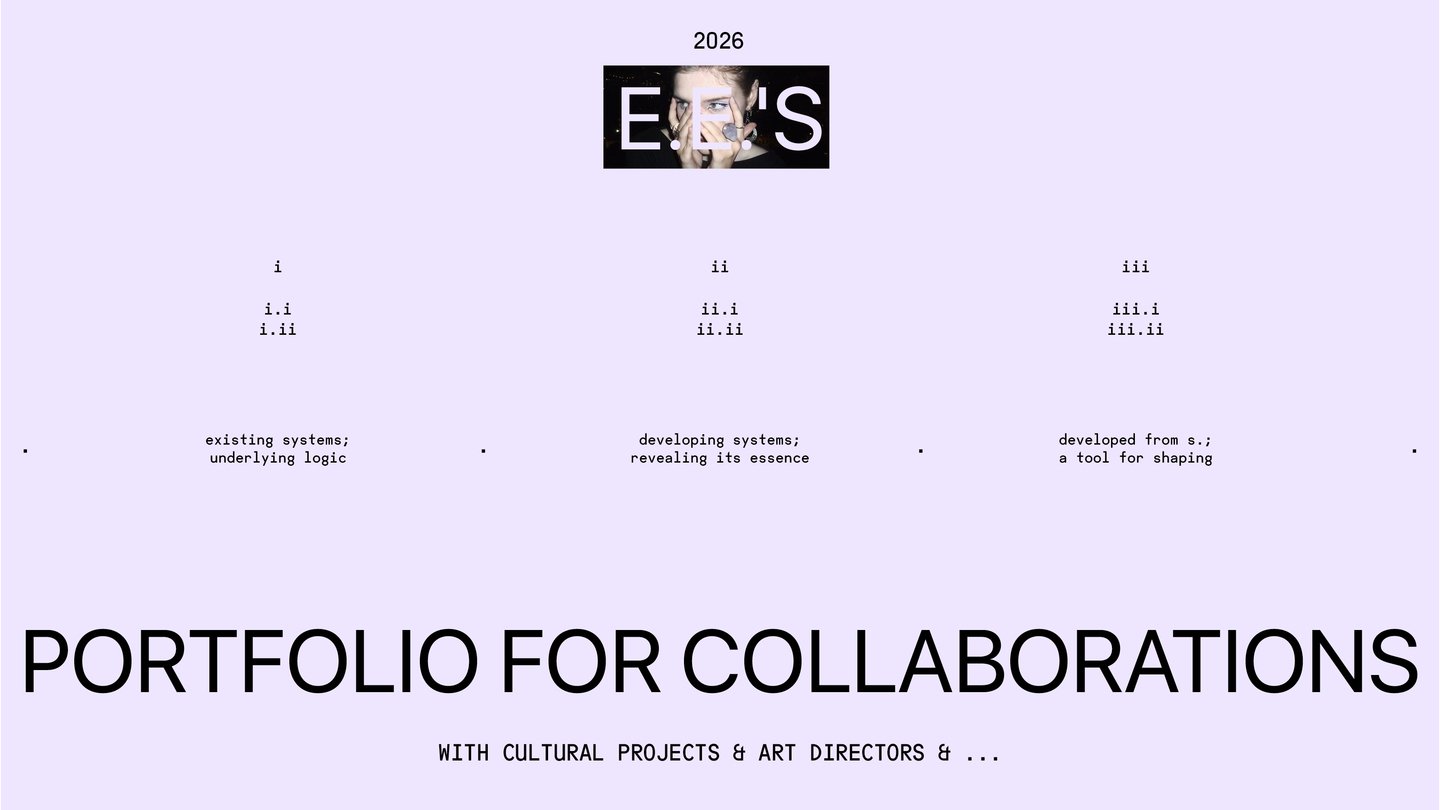

Hi,I’m Liza, a communication designer interested in working with cultural institutions, complex semantic systems and art projects.
I believe, that every cultural project needs a well-structured visual communication system and a coherent design system to be noticed and understood.
what is a good design system?
For me, good design is design that reveals the structure of the project it serves, highlights its internal logic, and reflects it visually.Without it, even a strong and complex project risks getting lost in the information flow, appearing simpler and less expressive than it actually is.
«truth must be framed effectively to be seen at all»
— george lakoff
A common problem is a superficial design that fails to reflect the depth and philosophy of the project. An example is the design for the royal parks of London. This is a simple capitalist branding that contradicts the idea of a garden as a complex system of meanings, a space for contemplation, and an expression of cosmological order through landscape.
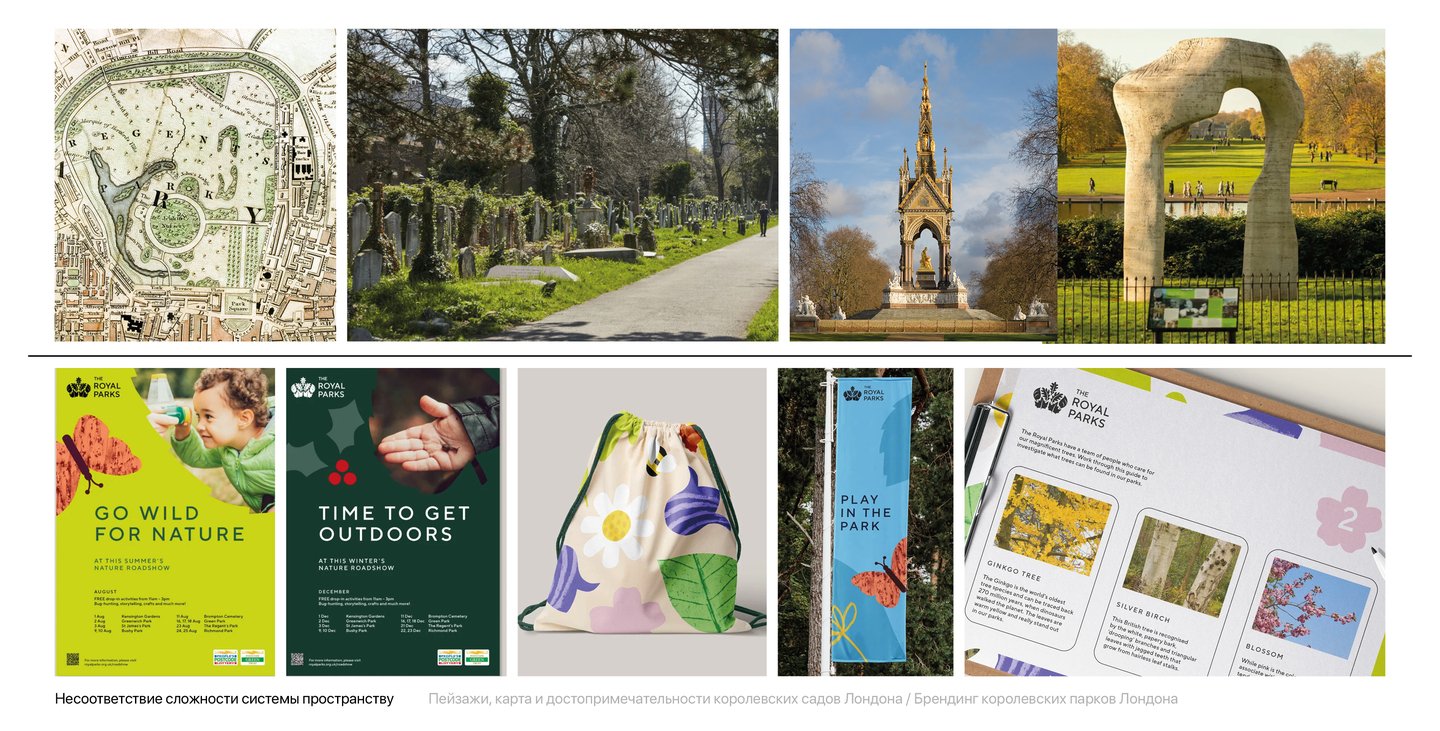
art directors and cultural institutions need design that translates complex ideas into an engaging visual language.
It aligns with my personal goal: to create design systems that preserve and reveal the philosophy and meanings of complex cultural projects.
A page from a study on the narrative aspects of gardens, conducted to develop a design system that aligns with the idea and philosophy of these spaces.
My approach varies depending on the project’s stage of development and my role in it.
i.
when the project already exists, design expresses its underlying logic.
i.i. The catalogue for Anna-Mari Liivrand
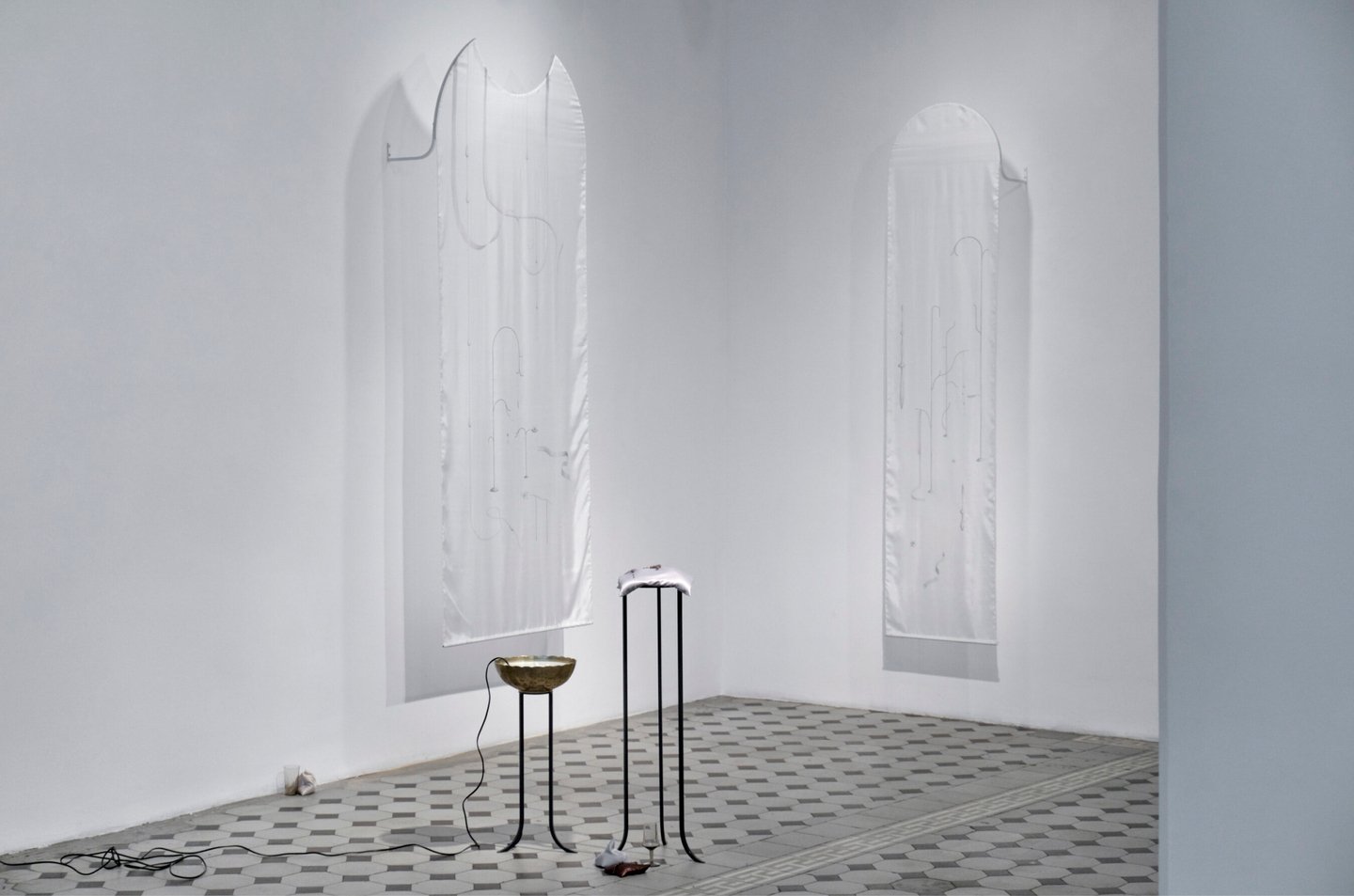
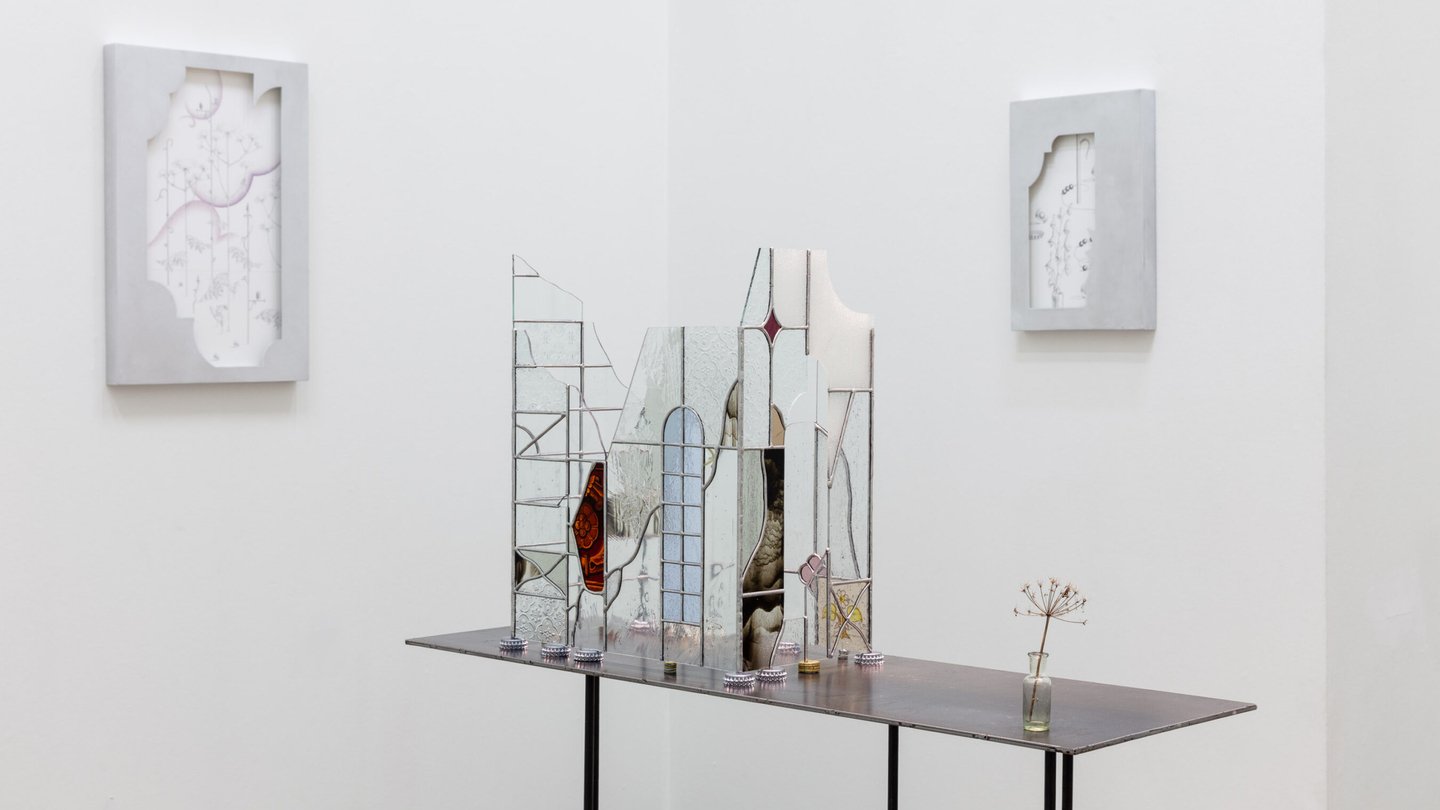
context:
Catalogue of the solo exhibition by Estonian artist Anna Mari Liivrand. In her works, she focuses on exploring sensitivity and ephemerality through the use of unstable materials, combining them into fragile and ethereal installations, sculptures, and drawings.
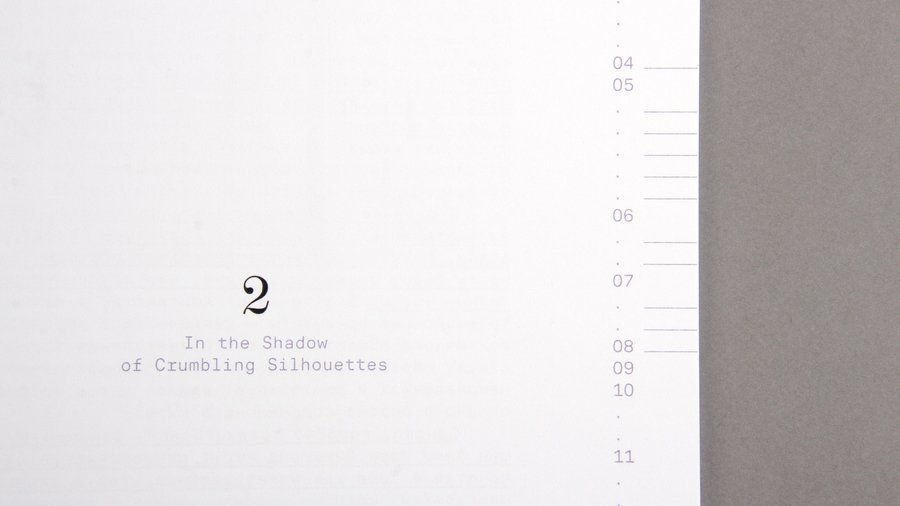

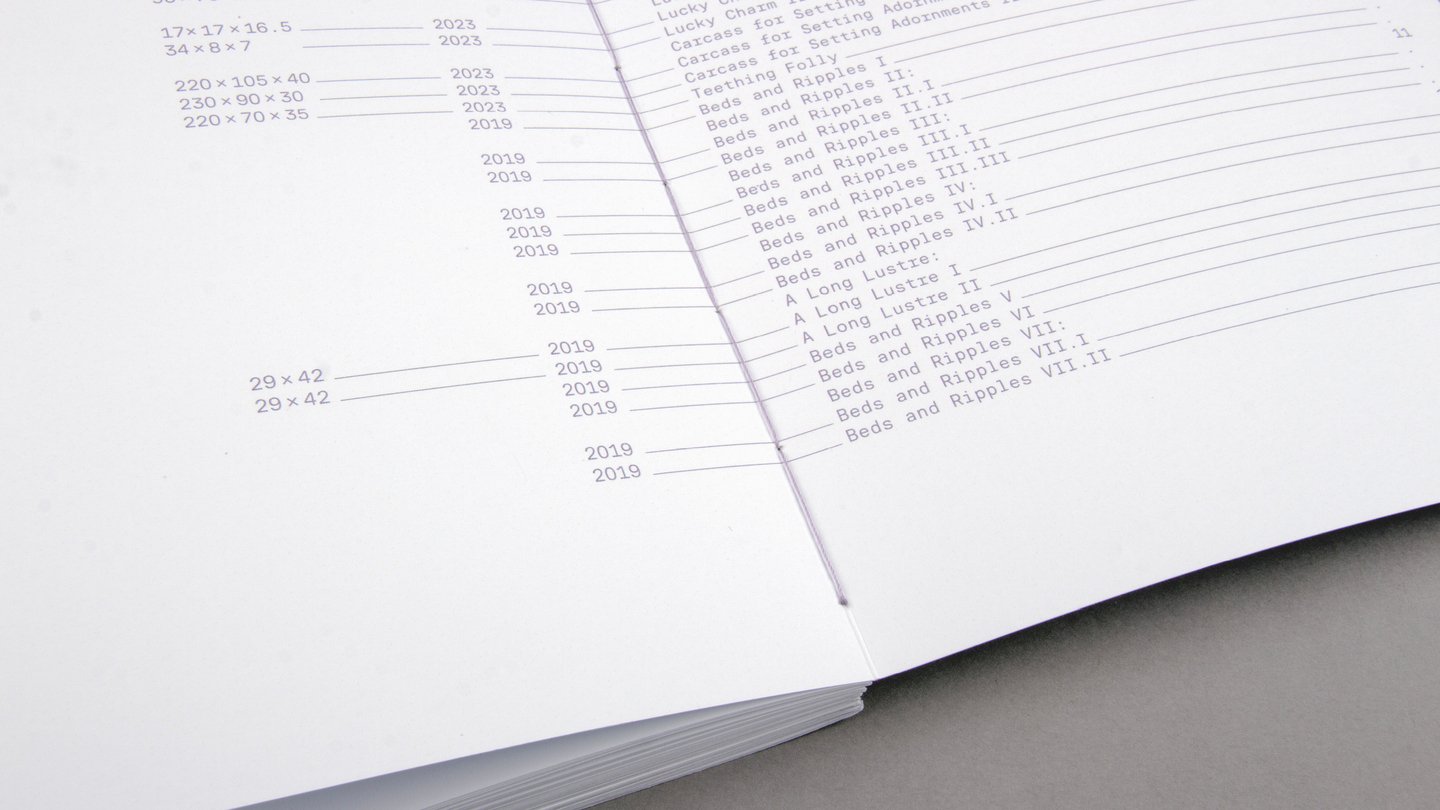
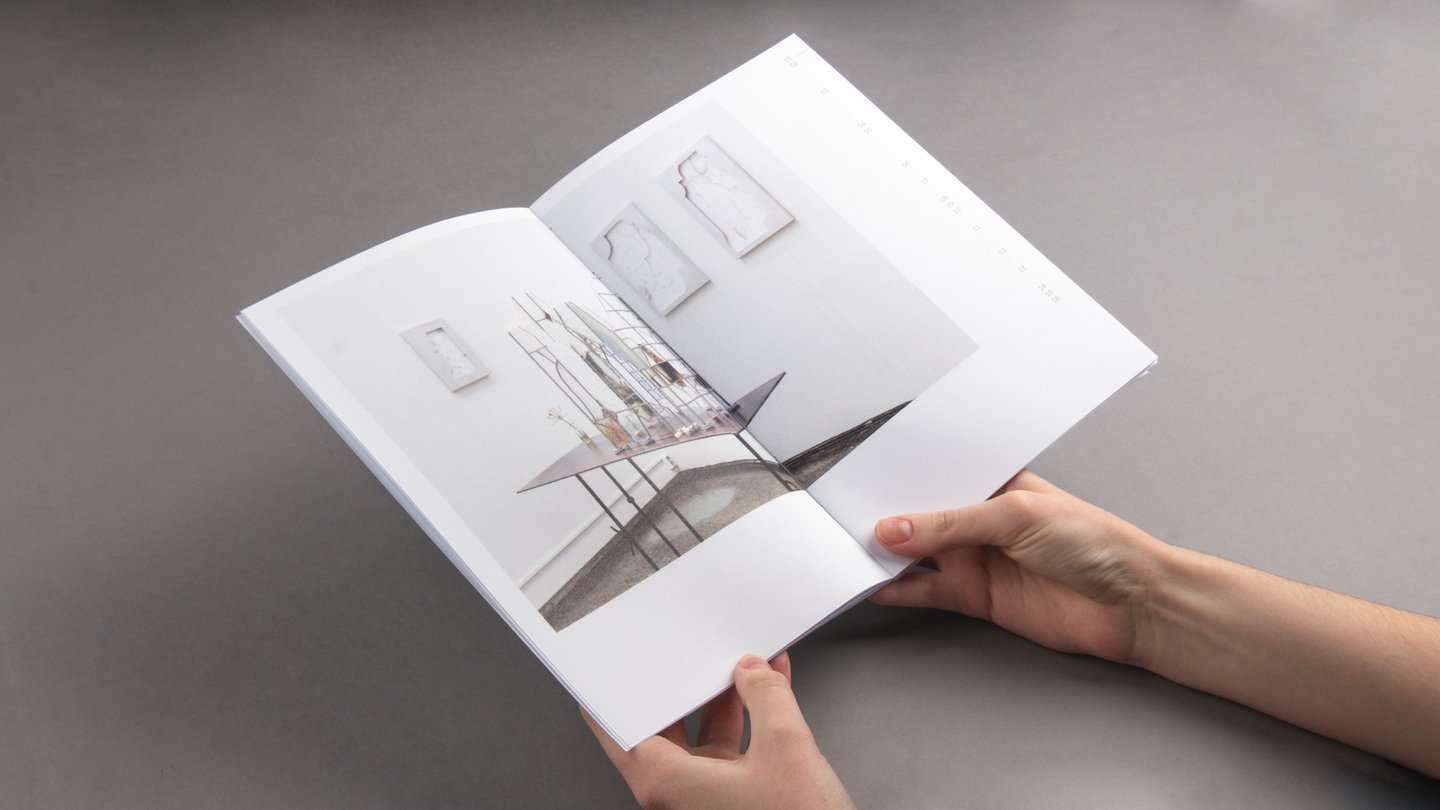
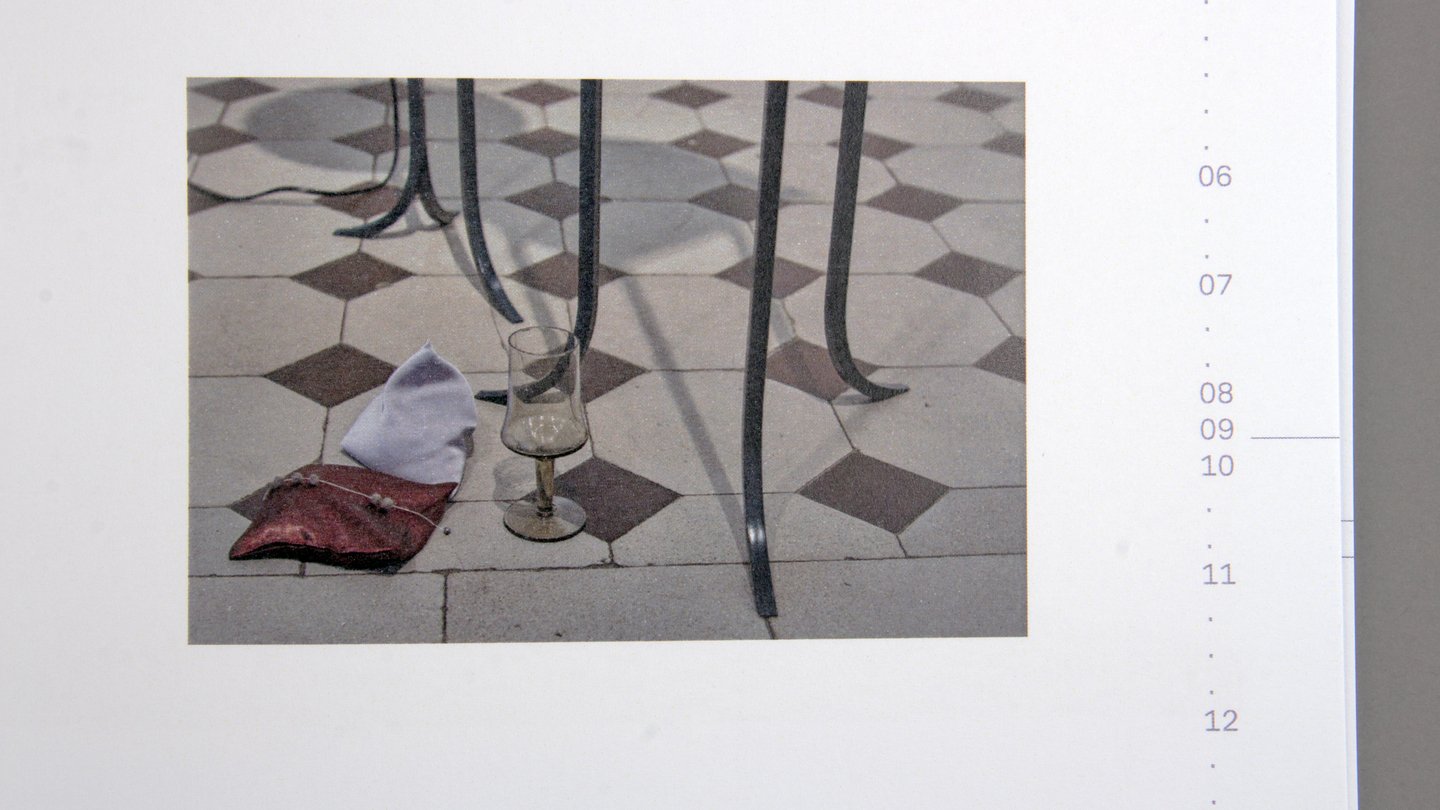

risk:A catalogue that fails to capture the ethereal quality and lightness characteristic of the artist’s work, that fails to convey the philosophy behind her engagement with space and contrasts.outcome:The goal was to create a «light» catalogue with a lot of white space on the page, «air», which echoes the principle of displaying the artist’s works in spacious white gallery spaces. To achieve this, a structuring system was devised that allows all the information about the works to be placed on a separate sheet. The artist received a catalog that supports the philosophy behind her work.
i.ii. Play «In Paradise»
context:The play. Title: «In Paradise — A Comedy with a Split Personality.» This «split» refers simultaneously to both the form and the content. It runs through the entire action, the stage settings, and the characters, dividing the heroes of different sexes.risk: The book that doesn’t support the structure of the play, reducing the reading experience to a linear one, which contradicts the complex idea and simplifies it.
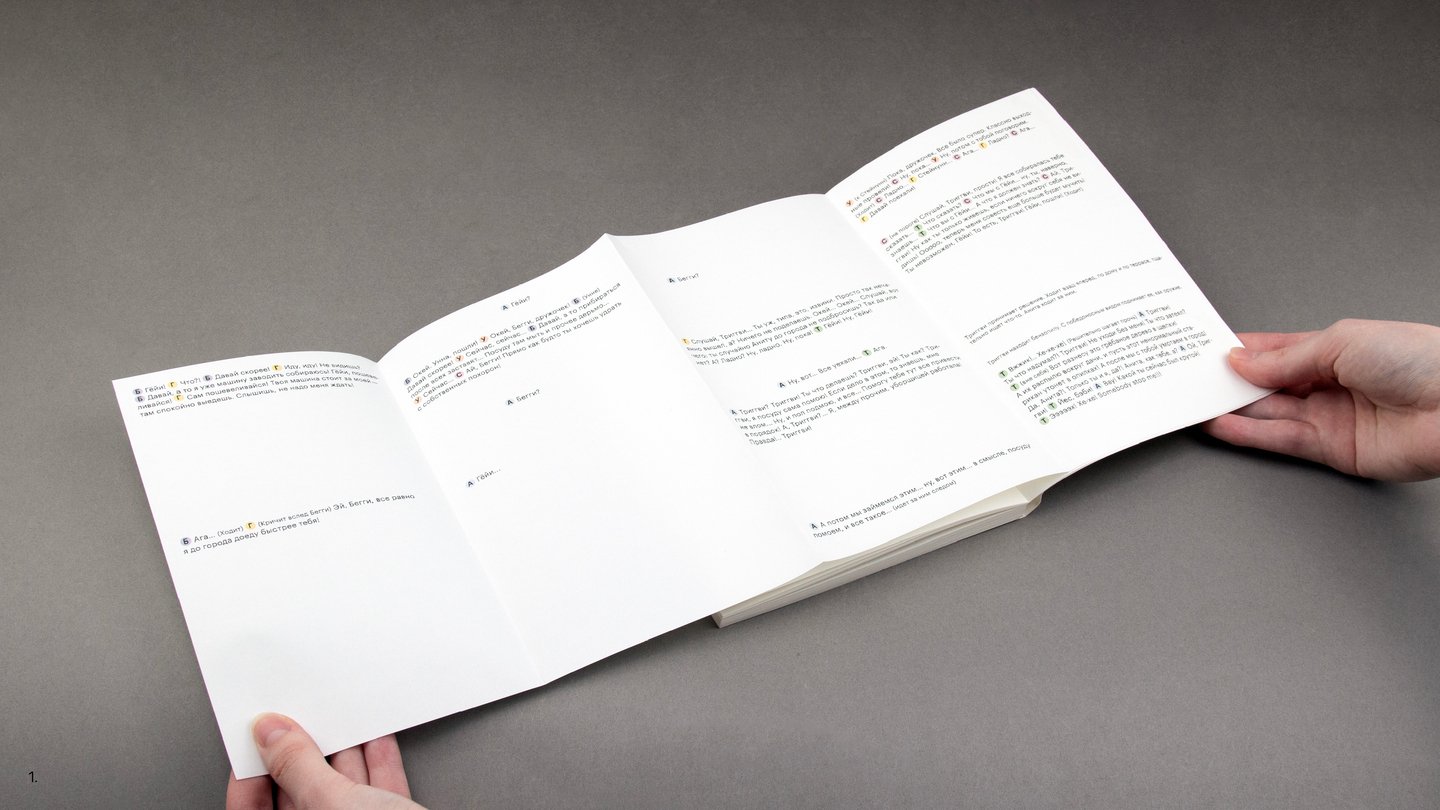

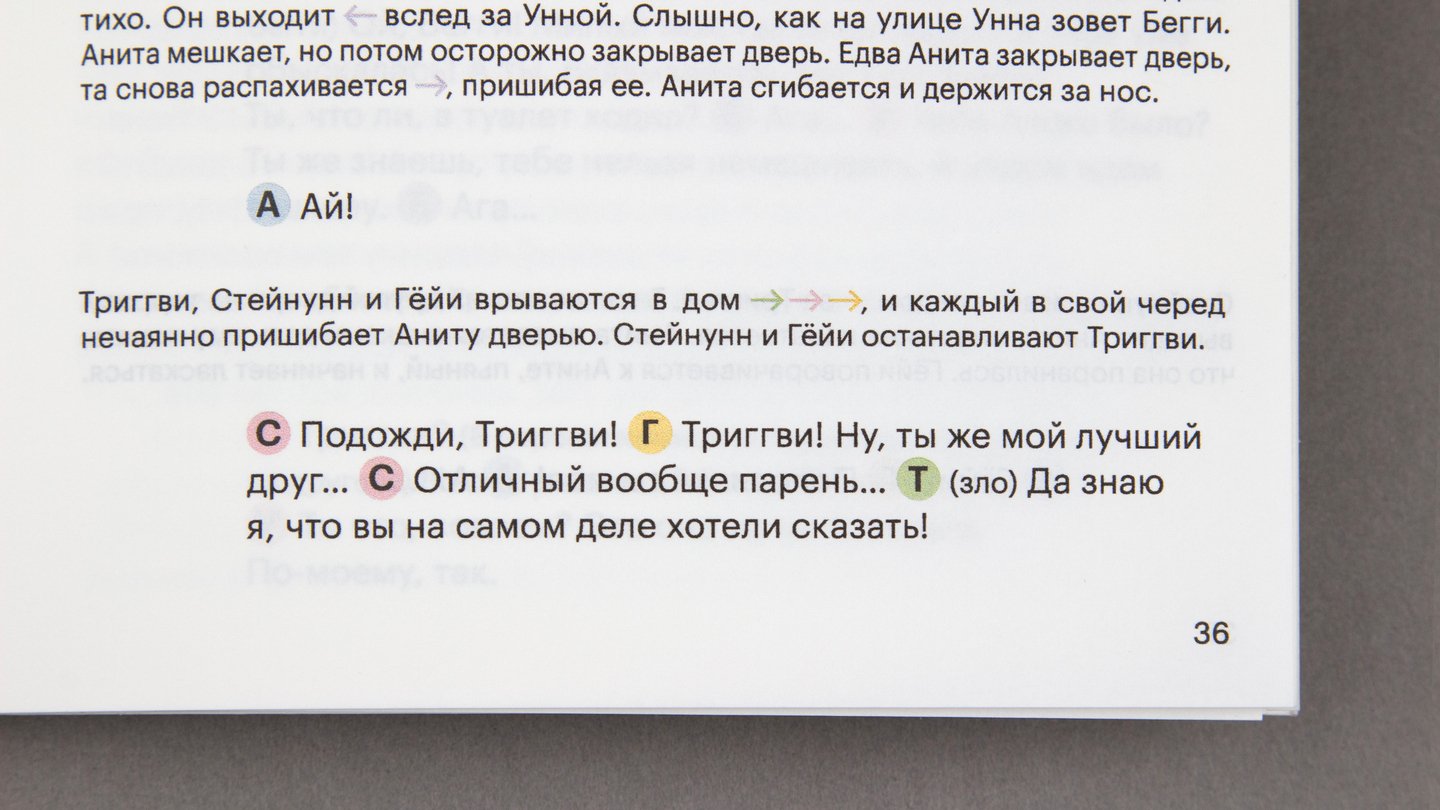

outcome: The concept of the publication was developed independently from scratch; it suggests a new scenario for interacting with the text: reading two parts simultaneously, with an emphasis on how the actions in one part influence the course of events in the other. This perspective allows you to perceive everything happening in two scenes at the same time, understand the logic behind all the events, and enhance the comedic effect.
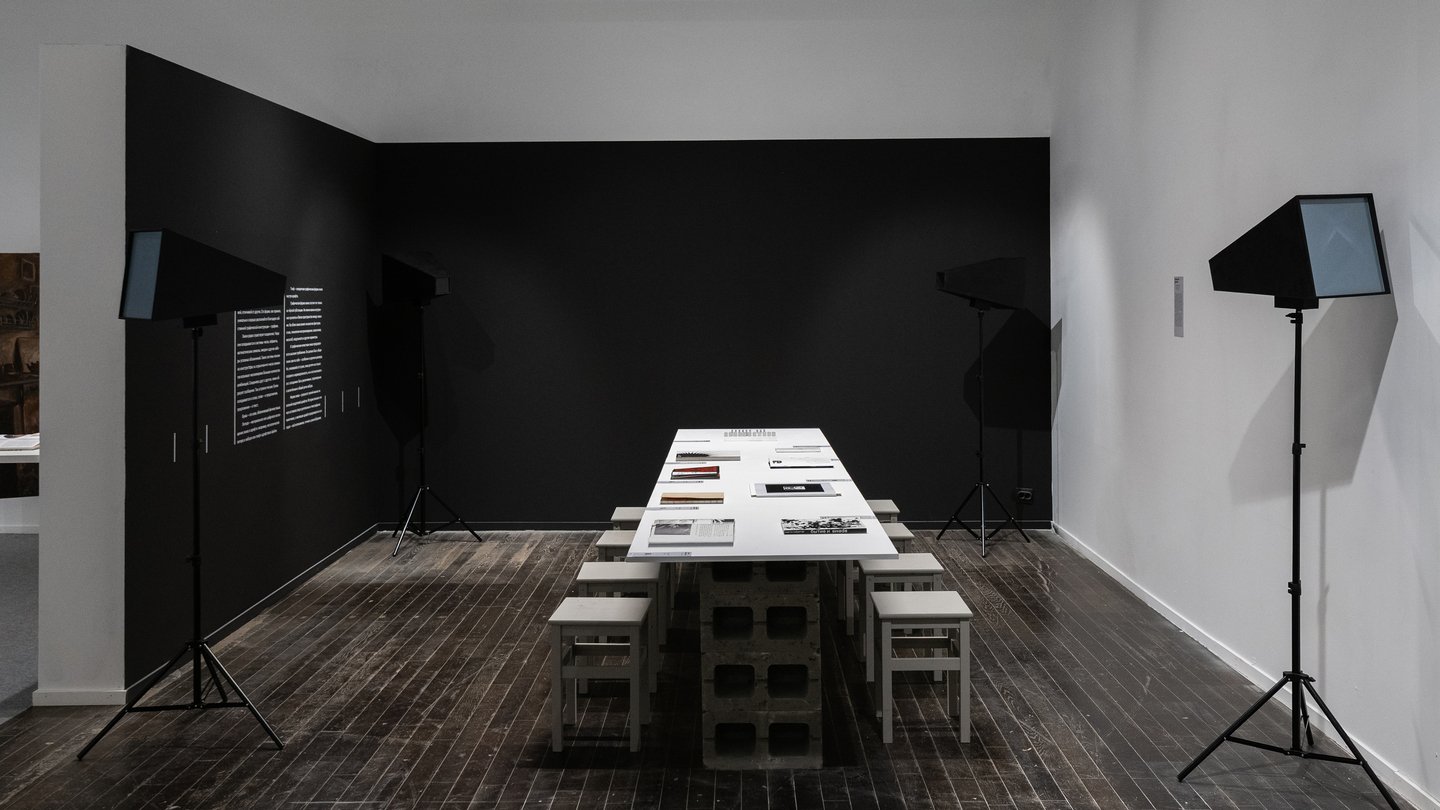
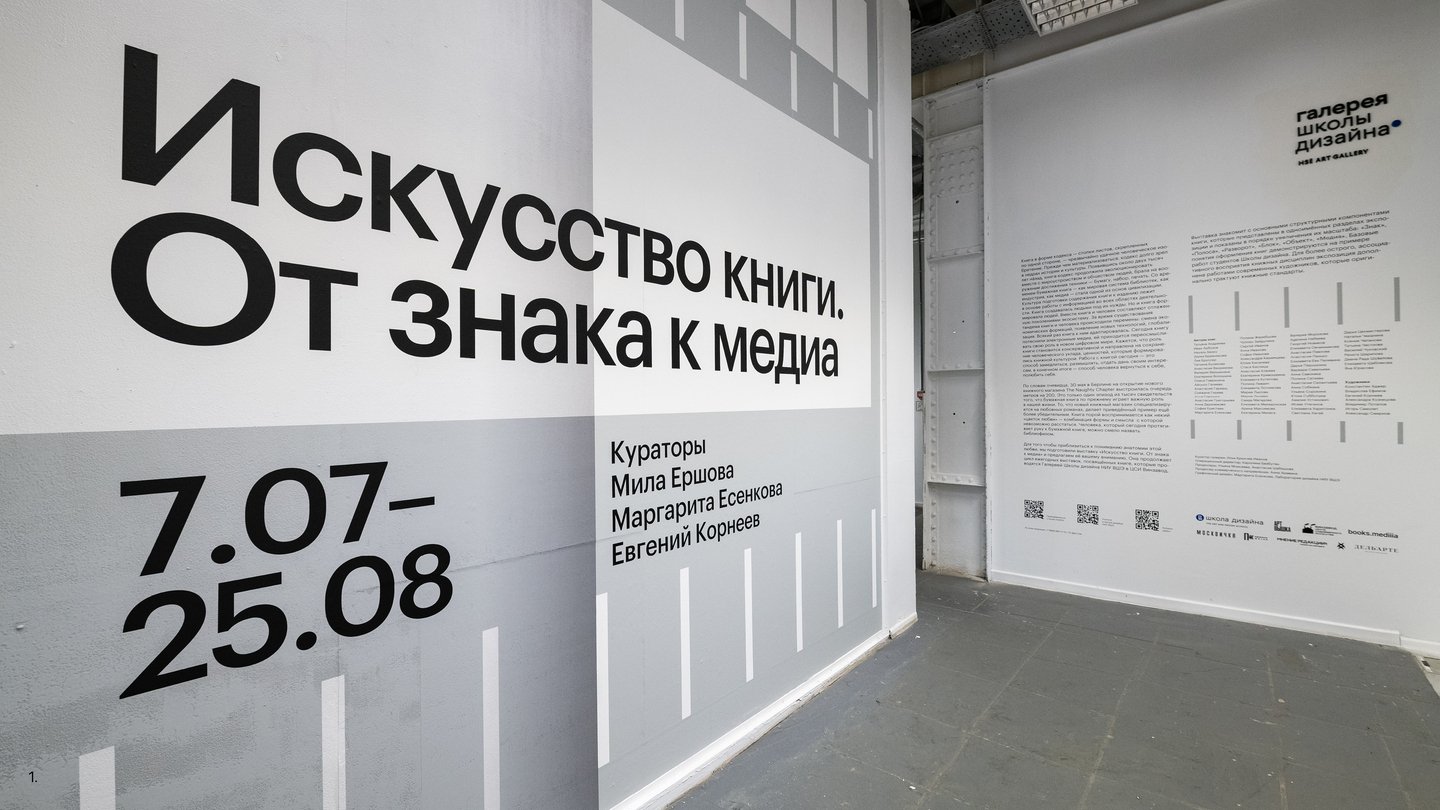
The book was exhibited at the Center for Contemporary Art «Winzavod» as part of the exhibition «The Art of the Book. From Sign to Media.»
/ to express its internal logic through design.
ii.
when a project is taking shape, design complements it and reveals its essence.
ii.i. TDFF book
context: Terminal Design Future Fest is a project that brings together design agencies, educators, students, and anyone interested in communication design on one platform to explore the patterns of time and shape a new future.
risk:The absence of a project «manifesto», no focal point for gathering ideas. The event becomes less intellectually profound and does not provide a format for preserving and developing the thought after the event ends.approach: