Rubricator:
◇ Introduction ◇ Communication Channels ◇ Theoretical Framework ◇ Analysis ◇ Conclusion and Recommendations ◇ List of Literature and Image Sources
Introduction
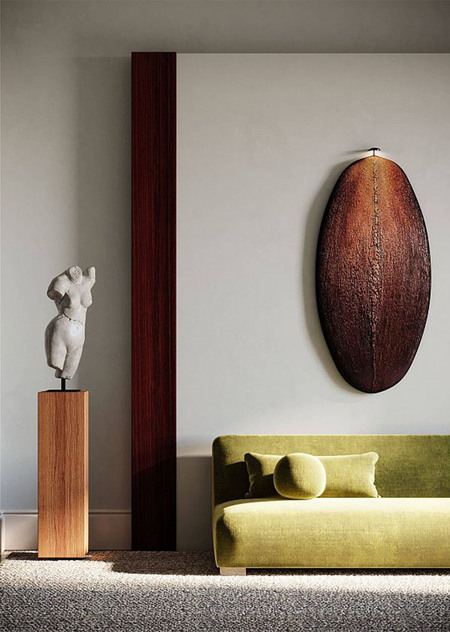
Modenature is a high-end furniture design brand that positions itself as a «French House of good taste». Originally founded in Paris in 1981 by designer Henry Becq, the brand underwent a «Renaissance» in 2021 when it was acquired and reimagined by a Russian creative team led by Rustam Chingaryev.
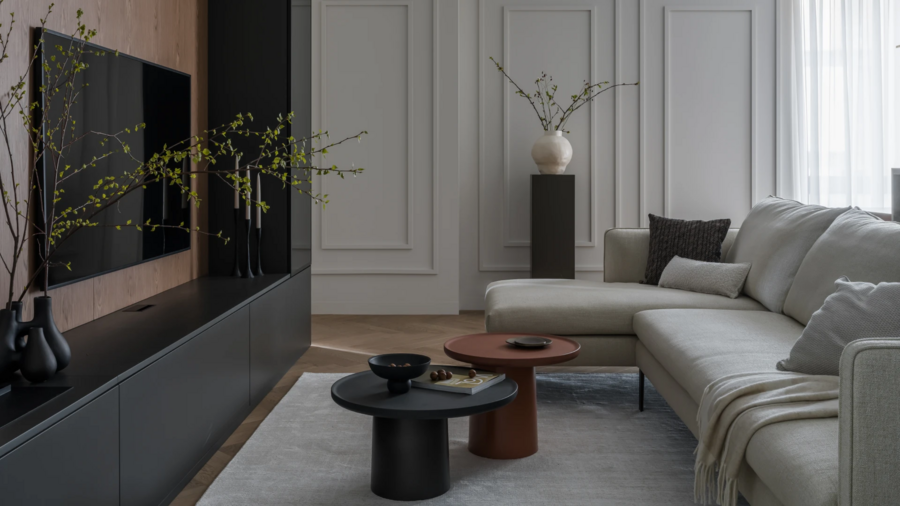
Image from the Modenature website

— Core Positioning: The brand focuses on «timeless practical luxury,» combining French heritage with innovative technologies and local Russian production. It emphasizes «restrained beauty,» high-quality craftsmanship (cabinetmaking), and the use of natural materials like wood, leather, and ceramics.
— Target Audience: The audience consists of «connoisseurs of refined luxury» and individuals seeking to express their individuality through meaningful, investment-grade objects. They are consumers who value «Art de Vivre» and look for security, comfort, and uniqueness in their domestic environment.
Image from the Modenature website
Communication Channels
Modenature employs a multi-layered public strategy to maintain its status as an elite brand:
— Owned Media (Website & Journal): The website serves as a digital flagship, featuring a detailed «Journal» that functions as a content hub for design trends and brand philosophy.
Screenshots of the Modenature official website
The Official Modenature Website and Journal as Brand Communication Channels
— Social Media (Instagram* & Telegram): Modenature uses Instagram and Telegram to present new products, share brand stories, promote events, and engage directly with its audience. These platforms help increase brand visibility and customer loyalty.
*Meta Platforms Inc., which owns Instagram, is recognized as an extremist organization and is prohibited in the Russian Federation
Screenshot of the Modenature Telegram and Instagram* accounts
*Meta Platforms Inc., which owns Instagram, is recognized as an extremist organization and is prohibited in the Russian Federation


GIF Virtual Assistant Demonstrating Modenature Furniture Products
*Meta Platforms Inc., which owns Instagram, is recognized as an extremist organization and is prohibited in the Russian Federation
— Public Relations & Historical Prestige: The brand leverages its historical «status» by referencing its presence in pop culture, such as its furniture being used in the Park Hyatt Tokyo (featured in the film Lost in Translation) and mentioned in Frédéric Beigbeder’s novel 99 Francs.
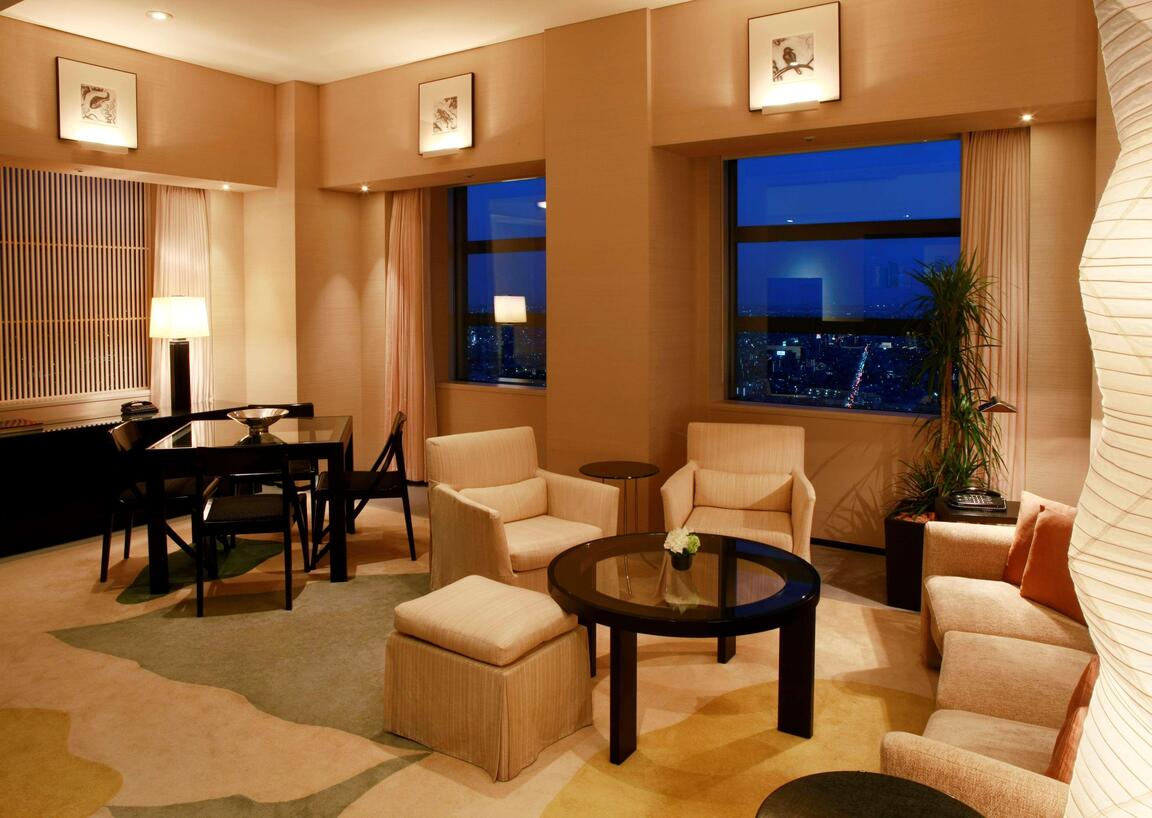
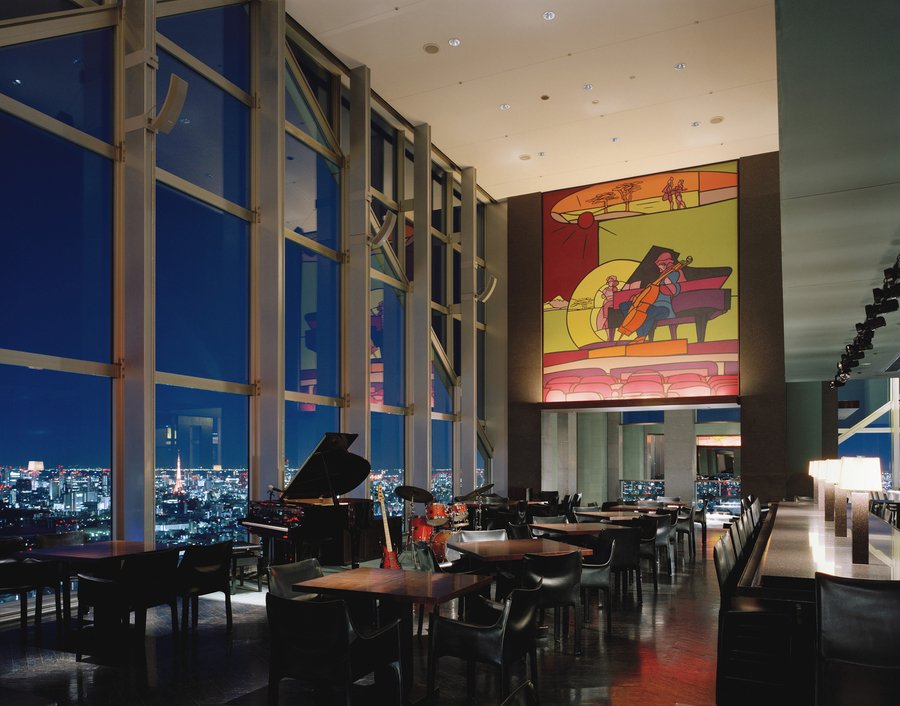
Park Hyatt Tokyo, Featuring Modenature Furniture, as Seen in Lost in Translation (2003)
— Exhibitions & Trade Shows: Modenature participates in international design exhibitions, including CIFF Shanghai, to showcase new collections, strengthen brand prestige, and engage directly with industry professionals, media, and potential clients.
Modenature at an International Design Exhibition
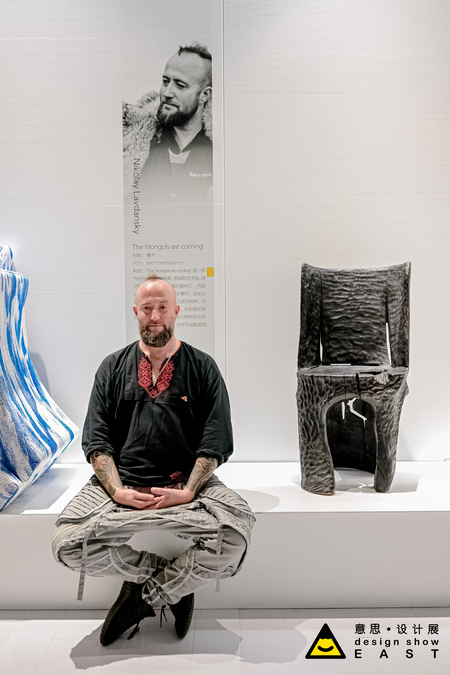
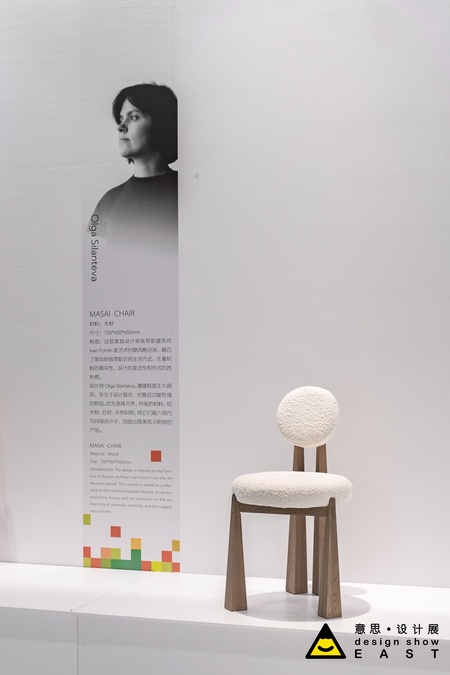
Featured Designers and Furniture Objects at the EAST Design Show, Shanghai
— Collaborations: PR strategies involve «creative symbiosis» with Russian and international designers, sculptors, and artists to foster an image of a «living» and evolving brand.
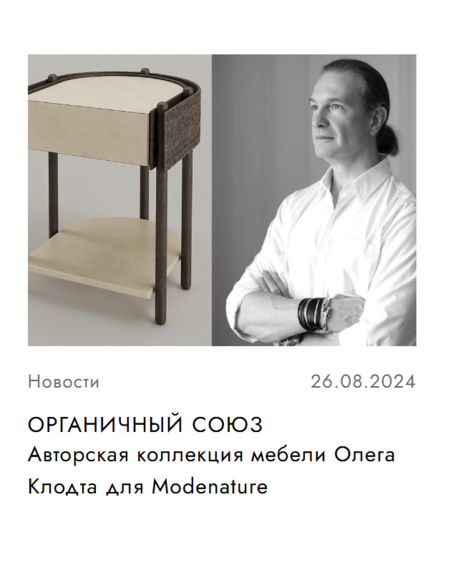
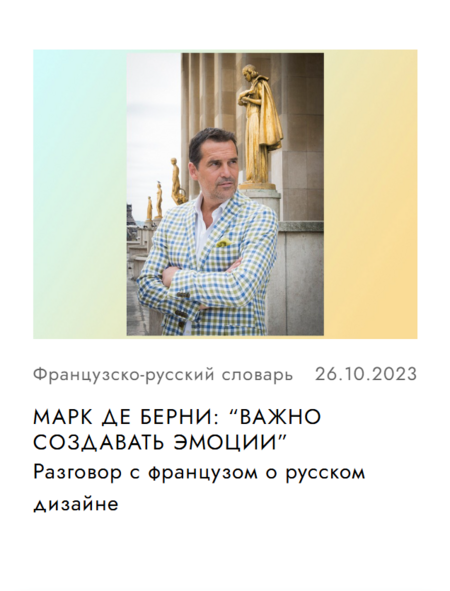
Articles from the Official Modenature Journal Highlighting Designer Collaborations
Theoretical Framework
Our chosen theories are Elaboration Likelihood Model (ELM) and Symbolic Convergence Theory. These theories are particularly suitable because they bridge the gap between emotional brand attraction and the logical justification required for high-end «investment» purchases.
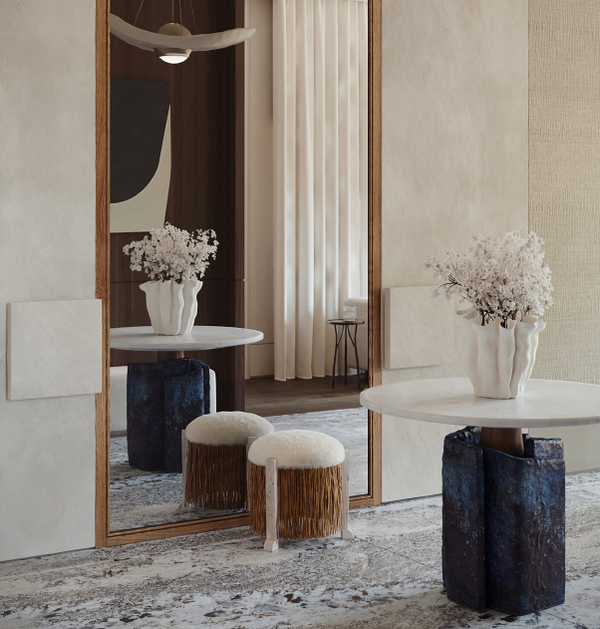

Images from the Modenature website
Elaboration Likelihood Model (ELM)
Developed by Richard Petty and John Cacioppo, this model is essential for understanding how Modenature’s communication influences the attitudes of potential buyers through two distinct paths.
Key Features of the Theory: ◇ The Central Route: This path involves high cognitive effort and active information processing. It is activated when a consumer is highly motivated and has the ability to process complex data. ◇ The Peripheral Route: This functions as a «mental shortcut» where the audience relies on surface-level cues rather than deep analysis. Key cues include Liking (attraction to the messenger), Authority (trust in expertise), and Scarcity (the «buy now before it’s gone» urgency).


Images from the Modenature website
Symbolic Convergence Theory
Developed by Ernest Bormann, Symbolic Convergence Theory explains how communication creates a shared reality and group consciousness through stories, symbols, and narratives.
Key Features of the Theory: ◇ Fantasy Themes: recurring stories and symbolic messages that help group members create common meanings and interpretations of reality. ◇ Fantasy Chains: when members share and expand these stories, creating stronger group attraction and consciousness. ◇ Shared Reality: through communication, individuals construct a symbolic world that shapes group identity and collective understanding.
Analysis
Modenature’s digital interface and product descriptions effectively balance both routes of persuasion defined by Petty and Cacioppo.
◇ Peripheral Route (Visual Persuasion): The brand utilizes «Liking» and «Authority» as peripheral cues. By citing its inclusion in luxury districts like Saint-Germain-des-Prés and its association with elite names like Promemoria or Christian Liaigre, it creates an immediate «shortcut» to a perception of high status. The «visual contact» and «atmosphere of Parisian chic» act as emotional triggers that require little cognitive effort for the user to perceive the brand as «premium».
Image from the Modenature website

◇ Central Route (Technical Detail): For the highly involved consumer (the «connoisseur»), the brand provides extensive factual data. For example, the «Production» page details «21 shades of oak,» «4 categories of textile,» and specific manual processing techniques like the «Anagama kiln». This caters to the «Ability to Process» by providing the logical evidence required for a high-cost «investment» purchase.
Image from the Modenature website
Console from the Agoji collection

Modenature’s communication strategy reflects the principles of Symbolic Convergence Theory by creating a shared symbolic reality through stories, symbols, and narratives.
◇ Fantasy Themes: The brand repeatedly communicates themes of French heritage, craftsmanship, and Art de Vivre. These recurring narratives help consumers create common meanings and interpret the brand beyond its functional value.
Image from the Modenature website