Concept
In the 1920s, animation emerged as an independent cinematic form. Hand-drawn short films were flourishing in the US and Europe. The primary technique was celluloid animation. Animators drew characters onto transparent sheets, which were then layered over a static background and filmed frame by frame. The American short film animation industry developed using this technology. Series featuring Felix the Cat, followed by Oswald the Lucky Rabbit and other famous characters, began appearing in theaters.
Silhouette animation emerged as something new and revolutionary at that time, with Lotte Reininger as a pioneer.
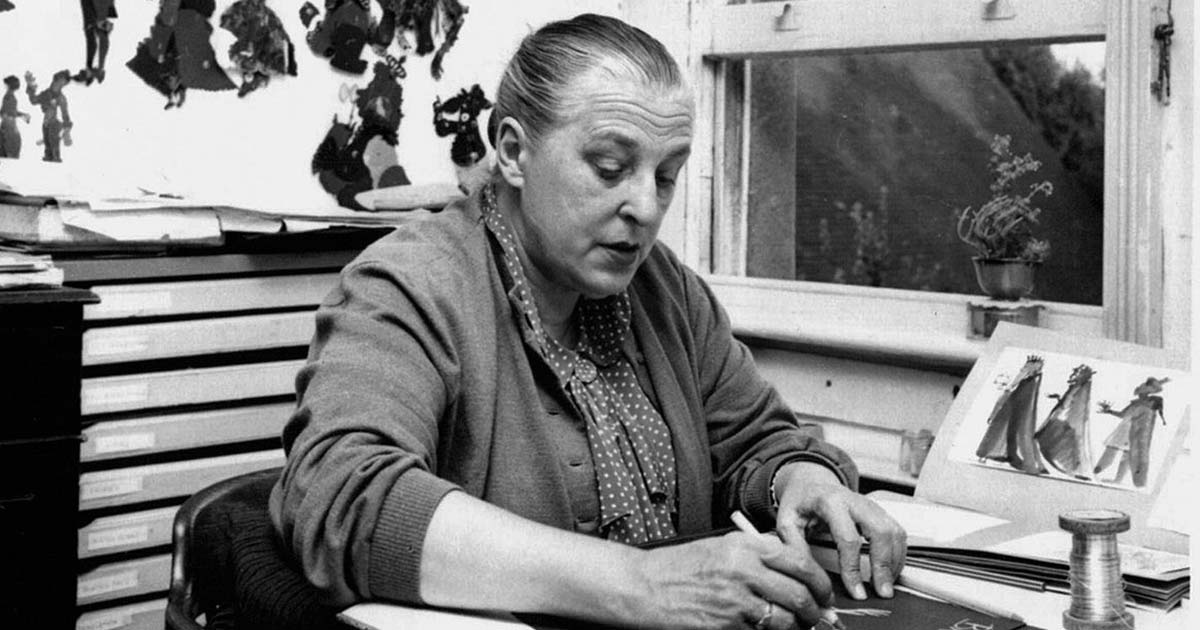
The main difference between Raynighr and her contemporaries lay in her approach to imagery. While American animation strove for flexibility, speed, and comedy, she aimed to convey the feeling of a slow fairy tale using only silhouette. Her style was immediately recognizable: detailed, hand-cut silhouettes and the absence of faces in most frames.
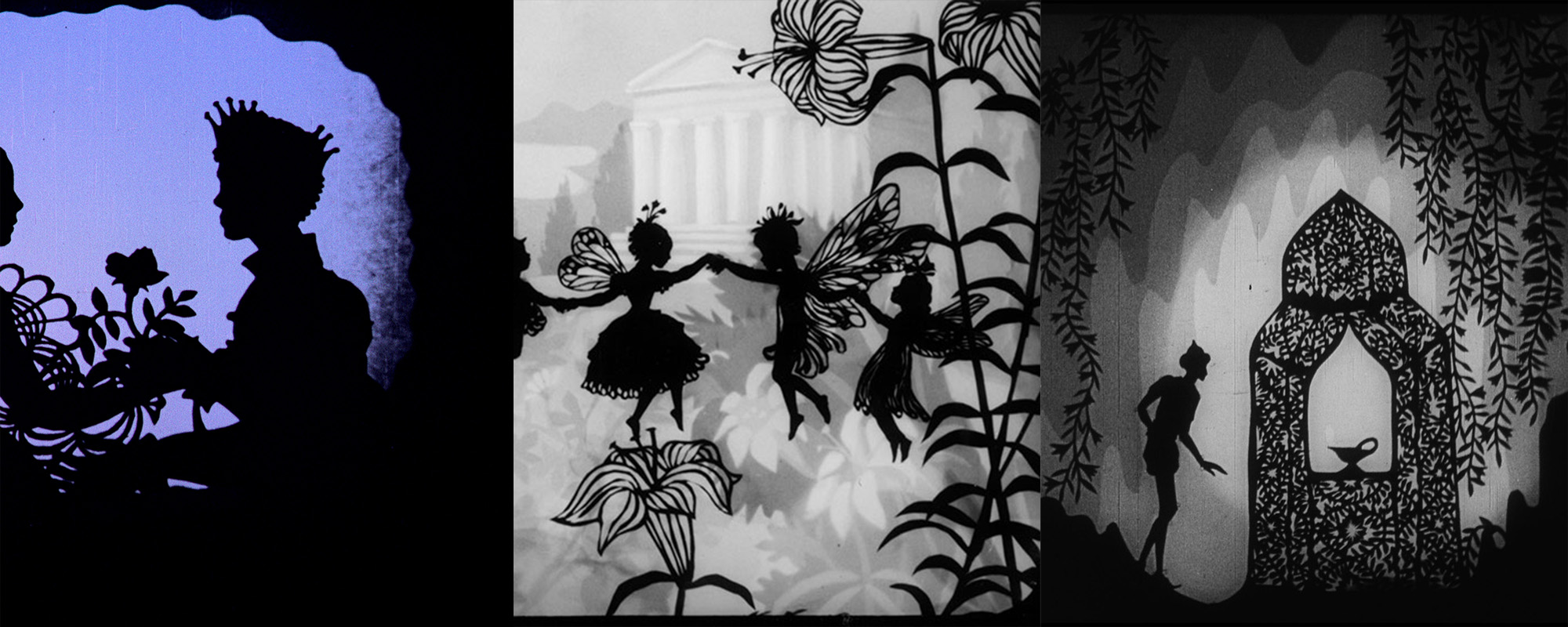
Character and emotion were conveyed not through facial expression, but through contour, posture, gesture, and the rhythm of movement. Her films drew upon fairy tales, myths, and legends. In 1926, Reininger created «The Adventures of Prince Ahmed”—one of the first feature-length animated films, produced a decade before animation became a major industry. Of all the creators, Lotte resonated with me because her tone was so distinct from the rest of the work we covered in lectures. Her cinema does not strive for realism or comedy. It is a distinctly personal vision—something along those lines.
Research Question: What is the uniqueness of Lotta Reininger’s films, how did she differ from other animators of her time, and what influence did she have on the development of animation?
It seems to me that Lotte Reiniger is unique because she fused the craft of silhouette cutting with the invention of animation technology, fairy-tale imagery, and auteur filmmaking. Her influence was evident both in the development of complex, multi-layered animation and in establishing animation as an art form driven by the director’s vision.
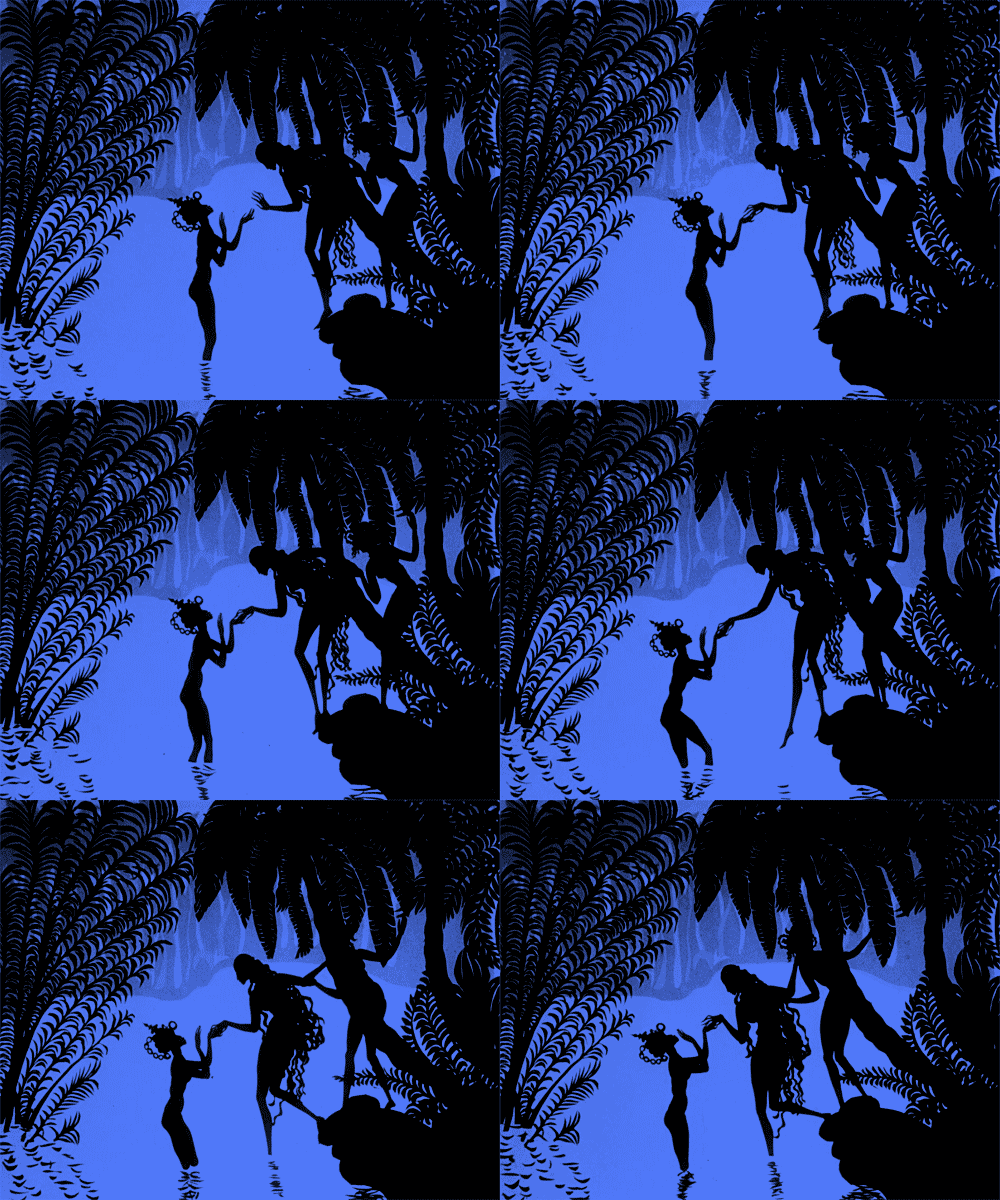
For the study, films that most clearly showcase the key features of her method were selected: «The Adventures of Prince Ahmed» (1926), «Cinderella» (1922), «Thumbelina, ” and other silhouette works by the Author. This selection is based on the fact that these films allow for a trace of all the nuances of her technique, style, and method of visual storytelling. Images illustrating the structure of the silhouette figures, the use of backlighting, multilayered compositions, expressive poses, transformation scenes, character interaction with space, and key episodes from fairy tales were collected for analysis. The research principle is based on visual analysis: the contour, silhouette, frame composition, light, color, movement, rhythm, layering, and the method of conveying emotion without facial expressions are examined. Comparison with 1920s drawn animation helps to show how Rainerger differed from her contemporaries and why her method became an important stage in the history of animation.
Silhouette instead of drawing
In 1920s animation, the drawn cartoon dominated: characters were created on paper or celluloid, and their movement was based on a sequence of drawn frames. Lotte Reiniger chose a fundamentally different path. Instead of drawing, she made the silhouette—a flat, black figure cut from paper and cardboard—the basis of the image. Her heroes were not drawn; they were literally cut out with scissors and then brought to life using stop-motion filming.
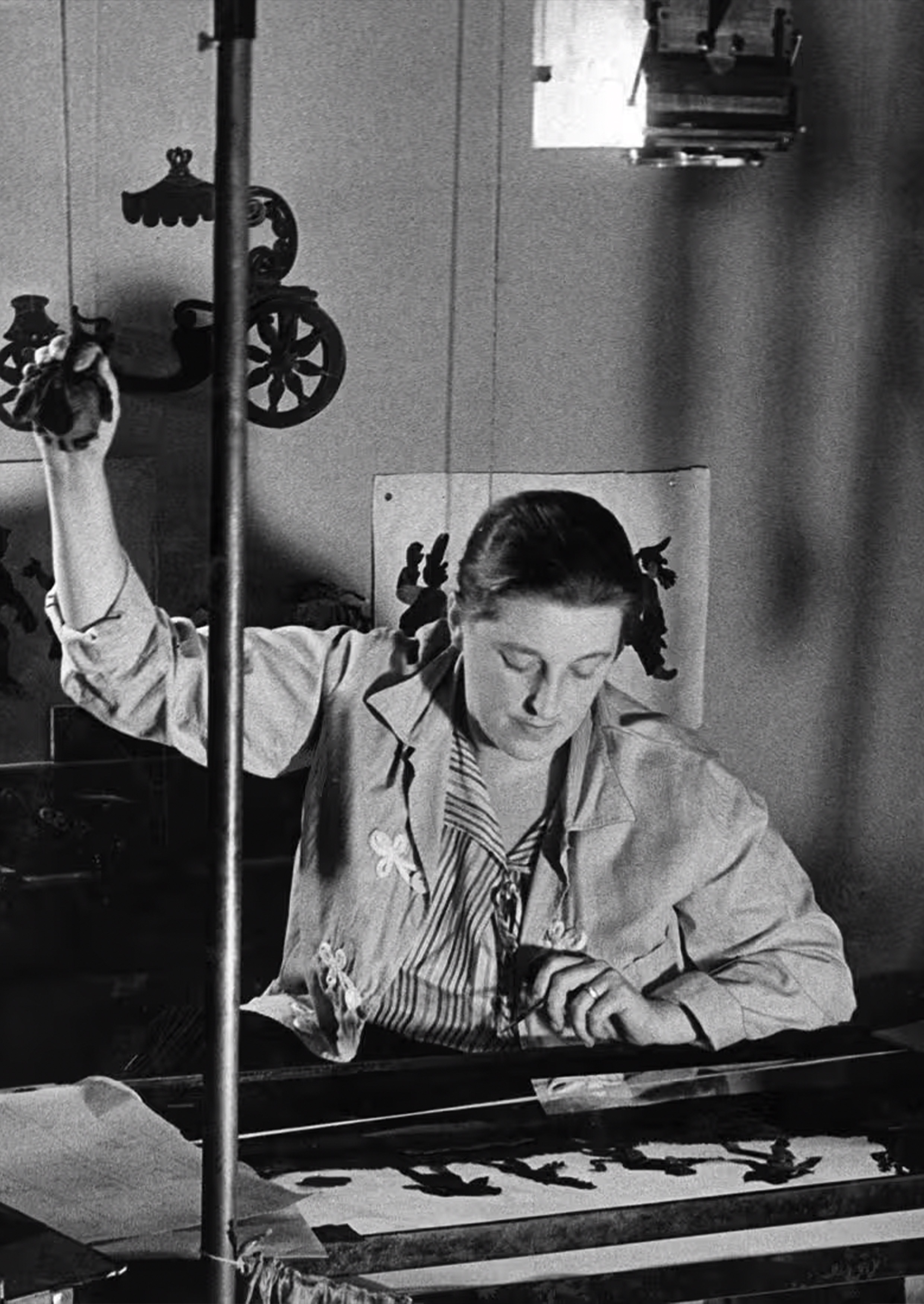
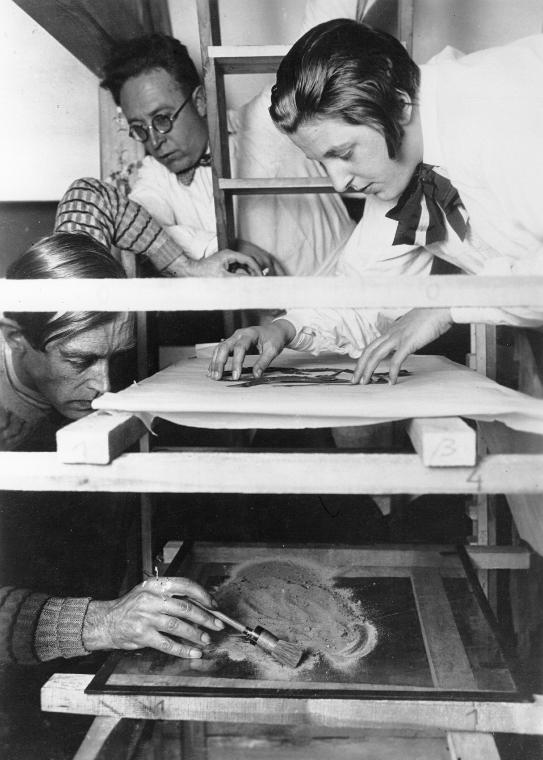
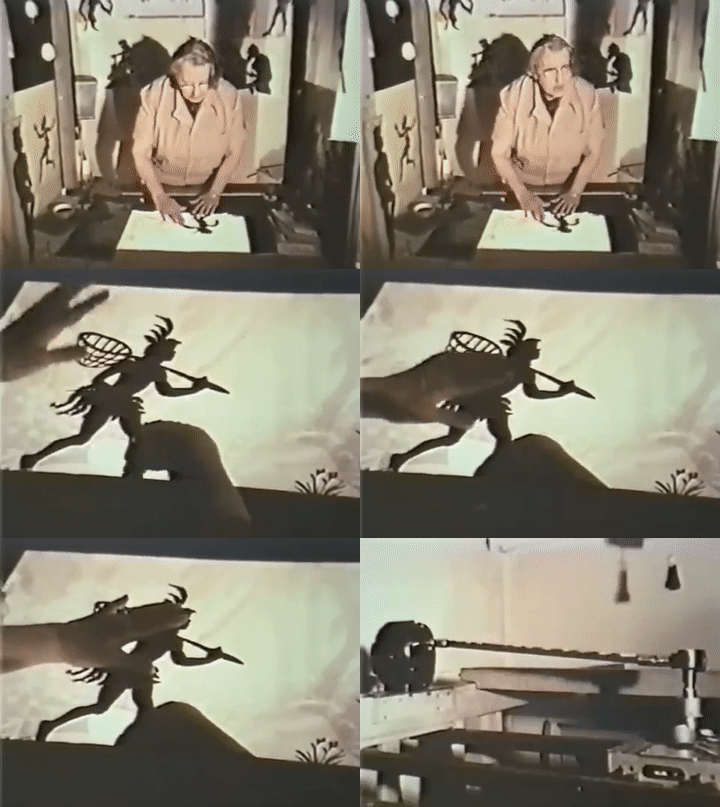
Rainer began working with silhouette even before entering the film industry. She cut out paper profiles and staged shadow shows at home, including miniature Shakespearean productions. Later, this early childhood and theatrical experience became the foundation of her cinematic language. Rainer cut figures from black cardstock and thin lead, separated them into individual pieces, and connected them with wire hinges. This allowed the character to bend its arms, turn its head, change poses, and perform complex, fluid movements. The figures were placed on a glass surface, backlit from below, while the camera was positioned above, and the animator manually adjusted the puppets and shot each frame separately. This method of working differed fundamentally from drawn animation. Rainer did not need to draw the same character hundreds of times; she created a movable puppet that could then be posed in various ways. However, this did not make the process simpler. Every gesture, head turn, arm swing, or step required meticulous patience and concentration.
First, Rainer developed storyboards and created character sketches. She then cut out figures by hand from fairly dense black cardboard; for the most stressed details, she used thin lead, which gave the figure strength and allowed it to maintain its shape.
Each movable part was cut separately and connected to the body with miniature wire hinges. The more active the character was in the story, the more movable joints they had.
The finished silhouettes were placed on a glass table and illuminated from below. The bright light made the wire hinges almost invisible.
After each frame, Rainer manually adjusted the position of the arms, legs, head, or entire body, and then captured the next frame—so a smooth animation emerged from the sequence of frames.
For close-ups and long shots, she created several versions of the same figure in different sizes.
This allowed her to maintain the character’s expressiveness both in close-up and in the overall scene.
This is the main difference between Rainger and most animators of her time. She did not try to imitate drawn animation or realistic movement. Her characters seem both stylized and alive.
Depth and Multilayeredness
Rainger’s primary technical mastery was the multilayered composition of the frame. It was not limited to a single background or a solitary figure on a table. Instead, she arranged sets, characters, and individual elements across several glass planes positioned at varying distances from the camera.
The foreground appeared sharper and more contrasted, while the background was softer and blurred.
Rainger utilized multiple glass planes illuminated from below. Each level contained discrete scene elements: character silhouettes, trees, mountains, palaces, clouds, waves, and props. The camera shot everything from above, while the light passed through the layers from below. As a result, the background planes became grayer and hazier, and the foreground planes remained sharper and more contrasted.
This principle became an early form of the multiplane camera. Disney would later develop a similar system, but for Raininger, it emerged approximately ten years earlier. In her version, everything relied on manual labor: the artist cut out figures, layered the elements, shifted their positions, and photographed frame by frame.The multiplaned effect helped the viewer become immersed in the world of the fairy tale. When a character moves between layers, there is a sensation that they are in real space, not on a flat sheet of paper. The cave feels deep, the sea infinite, the forest dark and tangled, and the sky distant and high.This is particularly noticeable in scenes of journeys and transformations. When Prince Ahmed flies on a magical horse, the background changes with him: mountains, clouds, palaces, and stars appear behind him. When a character enters an underwater world, the layers create the sense of water’s density. When the action takes place in a forest, the trees and branches at different levels give the space volume.The multiplaning also helped to control the viewer’s attention. The foreground drew the eye, while the background established the atmosphere. Raininger could highlight a character by placing them on a bright, high-contrast layer while simultaneously depicting the surroundings on more subdued layers. This allowed the viewer to know where to look, yet still see the world around them.
This animation filming method allowed characters to move in three-dimensional space rather than simply across a flat plane, immersing the viewer more deeply into the fictional world. This technique was an early form of multiplane camera and anticipated the Disney system.
Visual Storytelling