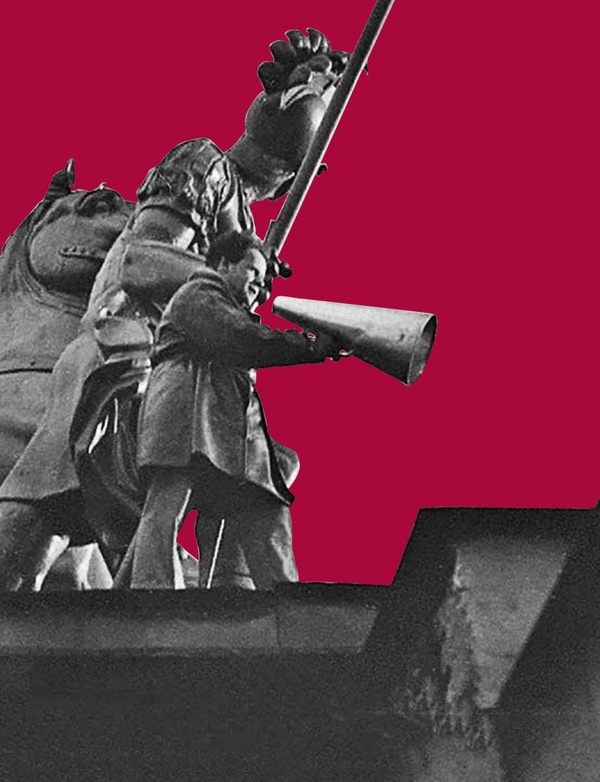
V. Mayakovsky Library Festival for the 129th Anniversary of Vladimir Mayakovsky: «NATE.» July 24, 2022. Lecture: Eisenstein’s Collective Myths of October.
The talk is based on research conducted for an exhibition project at the State Hermitage Museum (2017). Curator and author of the research: Ksenia Malich.
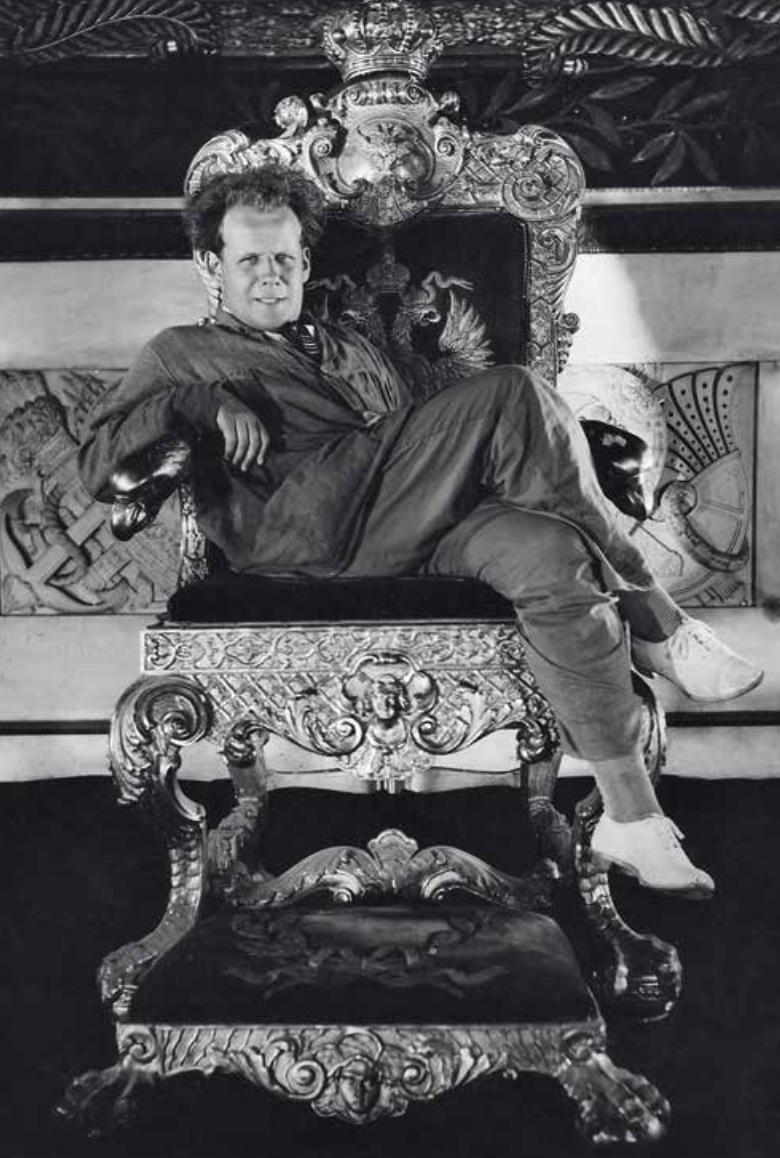
Sergei Eisenstein’s and George Alexandrov’s film «October,» shot in 1927 to mark the tenth anniversary of the October Revolution, is invaluable not only to the history of world cinema but also to our collective memory of the revolution. Although it is known that despite the potential to film in historical interiors and the carefully gathered memories of those involved in the events of October 25–26, 1917, many of the famous scenes were fabricated and directed by Eisenstein. The Winter Palace made such a profound impression on the filmmakers that they virtually overhauled the original script. The film, alongside its archival materials, allows us to discuss which halls and palace interiors were included in «October» and whether it is possible to separate fiction from fact.
In March 1927, directors Sergei Eisenstein and Grigory Alexandrov arrived in Leningrad to inspect potential filming locations. Eisenstein enthusiastically wrote: «The Winter Palace in cross-section—exceptionally rich cinematic material… Servants' rooms. The electrical station. Wine cellars… what roofs! What attics!»
Despite the opportunity to shoot in historical interiors and the carefully collected memories of those involved, many famous scenes were invented by Eisenstein, and some historical facts were omitted instead.
The most striking impressions came from visiting the Winter Palace. We were able to set up a window in the basement facing the Winter Canal, through which, according to the consultants, the first agitators entered. We viewed not only the surviving interiors in the palace but also the utility areas: cellars, attics. Eisenstein immediately noticed the boundless artistic resource that opened up for the film crew:
«The Winter Palace in cross-section—unusually rich cinematographic material. Entire Mure and Marilyn. The low levels. The basements. The heating system. Servants' rooms. The electrical station. The wine cellars. The grand reception rooms. Private chambers, then the attics and roofs. But what roofs! What attics! One bedroom alone is worth it: 300 icons and 200 porcelain Easter eggs. It makes one’s eyes swim. A bedroom that a contemporary could not psychologically endure. It is unbearable. It is inconceivable that on the third floor there were Freiling’s cows, and on the lower floors—stokers—were cavemen warming these cows.»
The director’s archive contains numerous notes on the Winter Palace. These notes were jotted down on random scraps of paper, often in an emotional rush to capture and preserve a multitude of ideas. Later, October was criticized for moving the main setting from Smolny and Kronstadt specifically to the Winter Palace. Furthermore, Eisenstein was accused of an excessive, at times almost painful, focus on objects used as vivid metaphors. The revolutionary system of intellectual cinema that Eisenstein developed was based on the principle of associative montage. Phrases were constructed through a rapid succession of close-ups, leading the viewer toward a specific conclusion or a strong emotional reaction. Kerensky—Bonaparte—usurpation of power. A crystal decanter—a crown-like finial—attempts at monarchical restoration. A battalion of assault women—Rodin’s «Eternal Spring» and ancient statues—"wrong women in the wrong place.»