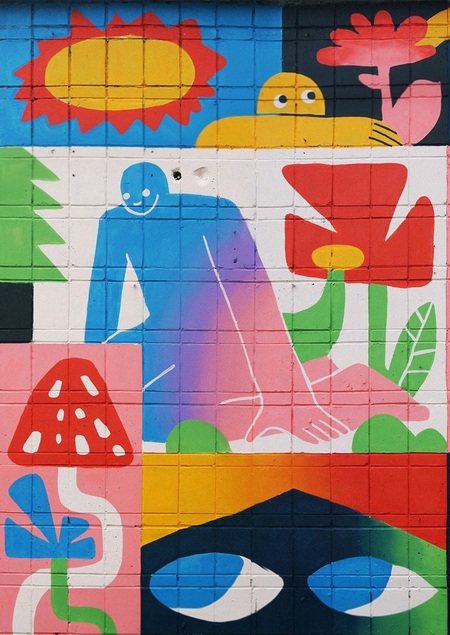
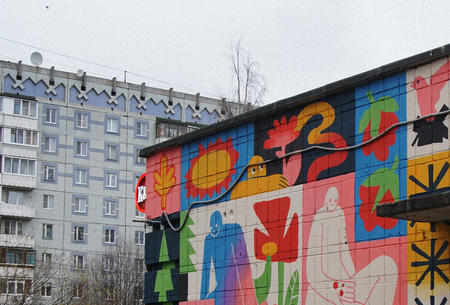
Public art was created in the city of Syktyvkar as part of the SLOY street art festival.
The piece «Chudsy Language» discusses the Chud script and the connection of its language to Komi, Russian, Udmurt, and Karelian.
The Chudi were an ancient Finno-Ugric people who inhabited the northwestern part of modern Russia. The history of the people has been mythologized, causing the Chudi to be perceived as a legendary, fairy-tale ethnic group. However, the people truly existed, possessed a unique culture, and—more interestingly—a language that later influenced many contemporary language groups.
My father used to say that our family were descendants of the Chudi. We lived in the Ust-Vym region of Komi near ancient Chudi burial sites, and Chudi words often surfaced in our speech. Today, however, the Chudi language is scarcely represented; moreover, many are convinced that such a language doesn’t even exist.
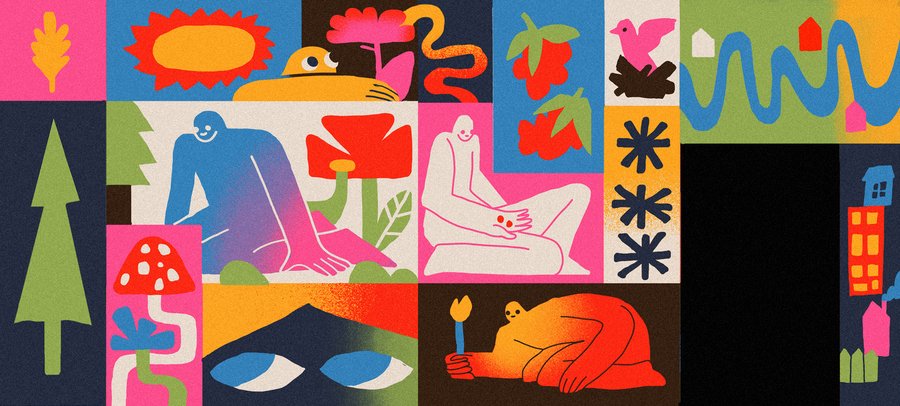
The public art project, «Chudi Language, ” is an effort to preserve the language and globally represent the culture. In each illustration, a Chudi word is encoded—a word that can also be found in the Komi, Russian, Karelian, and Udmurt languages.


Left to right: vedreh (Chud.) — good, clear weather; kokora (Chud.) — fir boat component; among the Komi, «kora» means fir bark; kukli (Chud.) — lingonberry cupwort; kukyl (Komi) — hood; petrovka (Chud.), rirti (Karel.) — log house; zarod (Chud.), zoröd (Komi), zurod (Udm.) — hay stack; edoma (Chud.) — a place rich in mushrooms and berries; etama (Karel., Finnish) — a remote place, a forest.
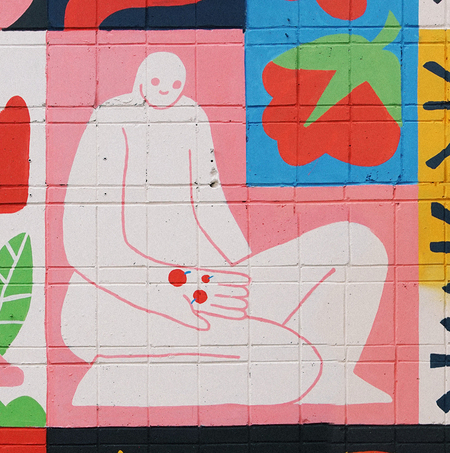
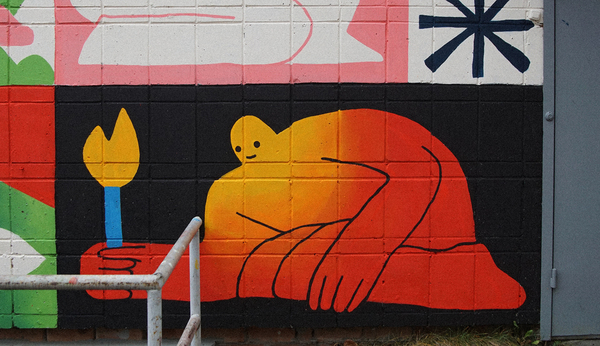
Left: the marvelous word «chipushki» means «short pants.» In the Komi language, it transformed into «chipurashki.» Right: the marvelous Komi word «noddy» means bonfire or torch. It transitioned to Komi unchanged.
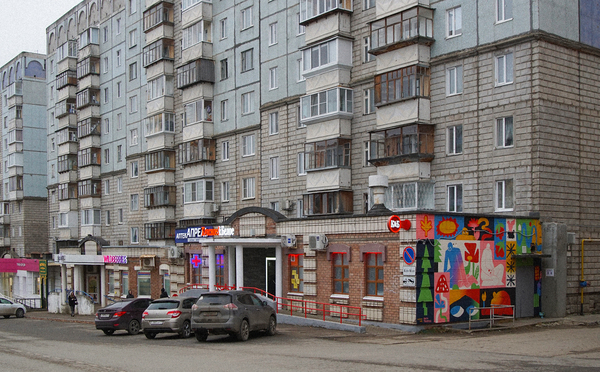
«SLOYS» Festival Artist: Nastya Malafeeva Curators: Nastya Malafeeva, Dmitry Makhov Artwork Annotation, Photography: Nastya Malafeeva 27 Svobody Street, Syktyvkar
2025