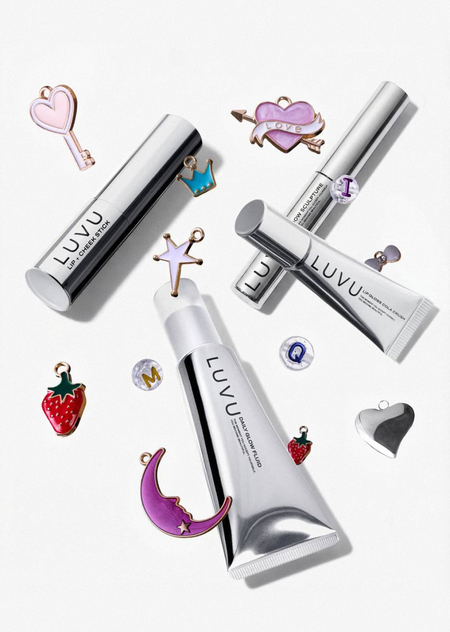
Structure:
[1] Brand Overview [2] Brand Communication Channels [3] Theoretical Framework [4] Analysis of LUVU’s Brand Communication [5] Discussion and Recommendations [6] List of Literature and Image Sources
[1] Brand Overview
LUVU is a Russian beauty brand founded by influencer Katya Golden. Operating at the intersection of the beauty industry and influencer culture, the brand combines cosmetic product promotion with a strong digital presence. In its communication, LUVU presents cosmetics not as a tool of transformation, but as part of an everyday practice of self-care and self-expression.
The object of this research is LUVU’s communication within the public digital environment. Of particular interest is the way the brand uses visual and online channels to construct its identity and engage with its audience.
A preliminary analysis of the brand’s official website, social media platforms, and communication materials suggests that LUVU can be viewed not only as a cosmetics producer, but also as an independent communicative entity. Within this study, the brand will be examined through its communication strategies, the meanings it produces, and the ways it interacts with its audience.
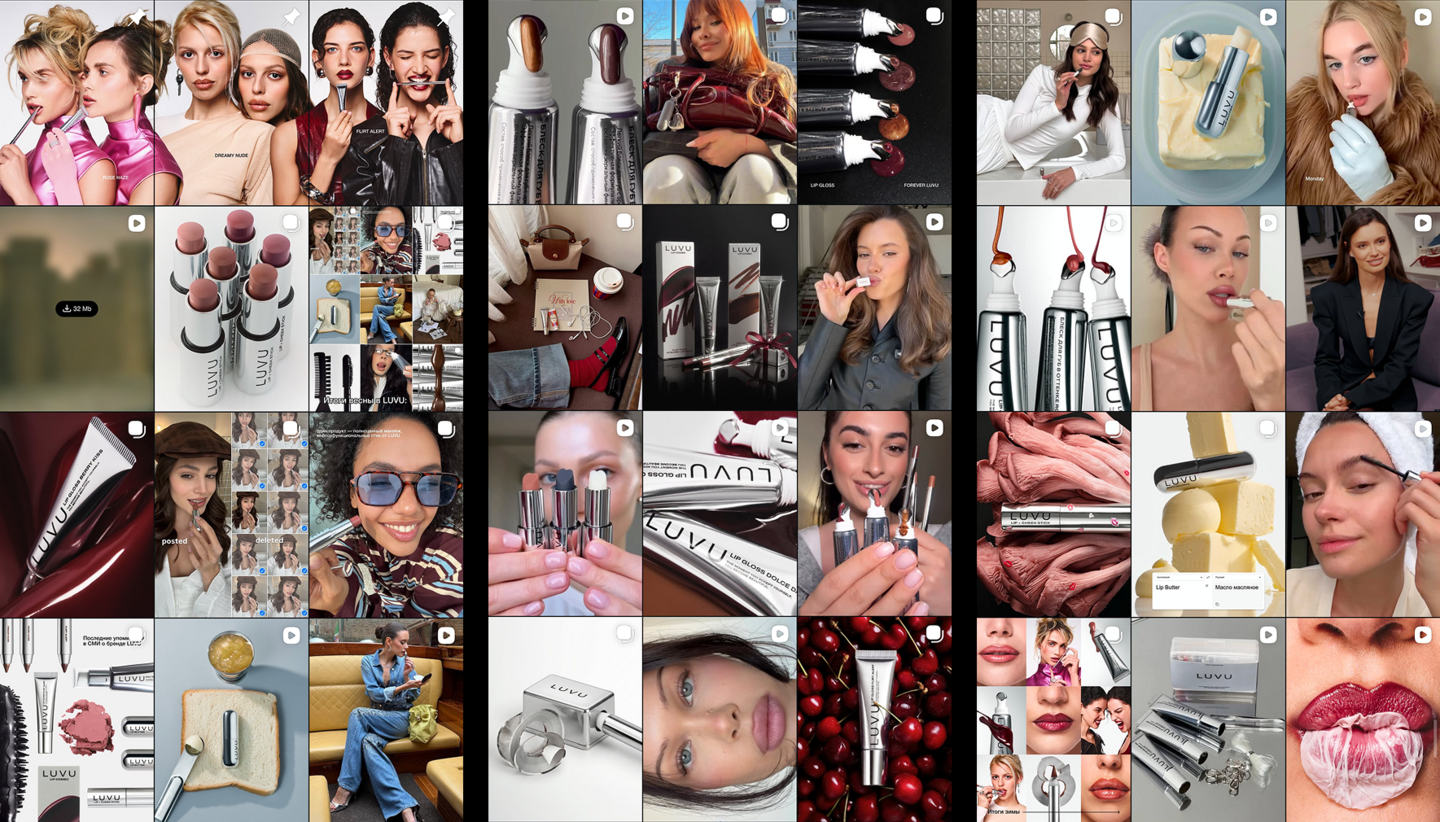
Brand Social Media Feed
We want cosmetics to become a way of saying ‘I love you’ to yourself, rather than a necessity to meet beauty standards.
Founder of the Brand — Katya Golden
LUVU’s communication is based on the idea of everyday beauty, where makeup is seen as part of self-care rather than a tool for dramatic transformation. The brand emphasizes simplicity, naturalness, and emotional comfort, shifting the focus from changing appearance to enhancing existing individuality and supporting self-confidence. This is also reflected in its visual style: natural imagery, soft lighting, minimal retouching, and lifestyle-oriented scenes close to the audience’s daily life. The name LUVU («Love You») reinforces this emotional dimension, linking cosmetics with self-acceptance and turning beauty routines into a meaningful part of everyday self-car
From a communication perspective, the audience is shaped by the brand itself through its visual and symbolic codes. In LUVU’s case, the audience image is constructed through public communication that offers not only products but also a particular everyday lifestyle people can relate to.
Attention shifts from cosmetics to the broader context of their use, including habits, visual culture, and self-presentation practices. Katya Golden plays a key role in this process: as an influencer-origin brand, LUVU builds communication around her recognizable persona, creating closeness and fostering a community based on shared aesthetic and everyday references.
Social Media Posts with lip cosmetics
LUVU’s visual identity is built around the principles of minimalism, consistency, and recognizability. An analysis of the brand’s packaging, website design, and visual content reveals a coherent visual language based on a neutral colour palette, clean typography, and the absence of excessive decorative elements.
This approach creates a consistent visual experience across different platforms and reinforces the brand’s overall image. As a result, attention is focused on the product and user experience, while LUVU’s visual language supports a recognizable and contemporary aesthetic.
[2] Brand Communication Channels
LUVU’s communication strategy is primarily based on digital channels, particularly social media platforms and the brand’s official website. The brand’s Instagram account serves as the central communication channel, featuring product-focused content, visual campaigns, research results, customer reviews, and announcements of new launches. The content combines both emotional and informational elements: on the one hand, the brand creates an attractive visual image, while on the other, it provides audiences with information about product features and effectiveness.
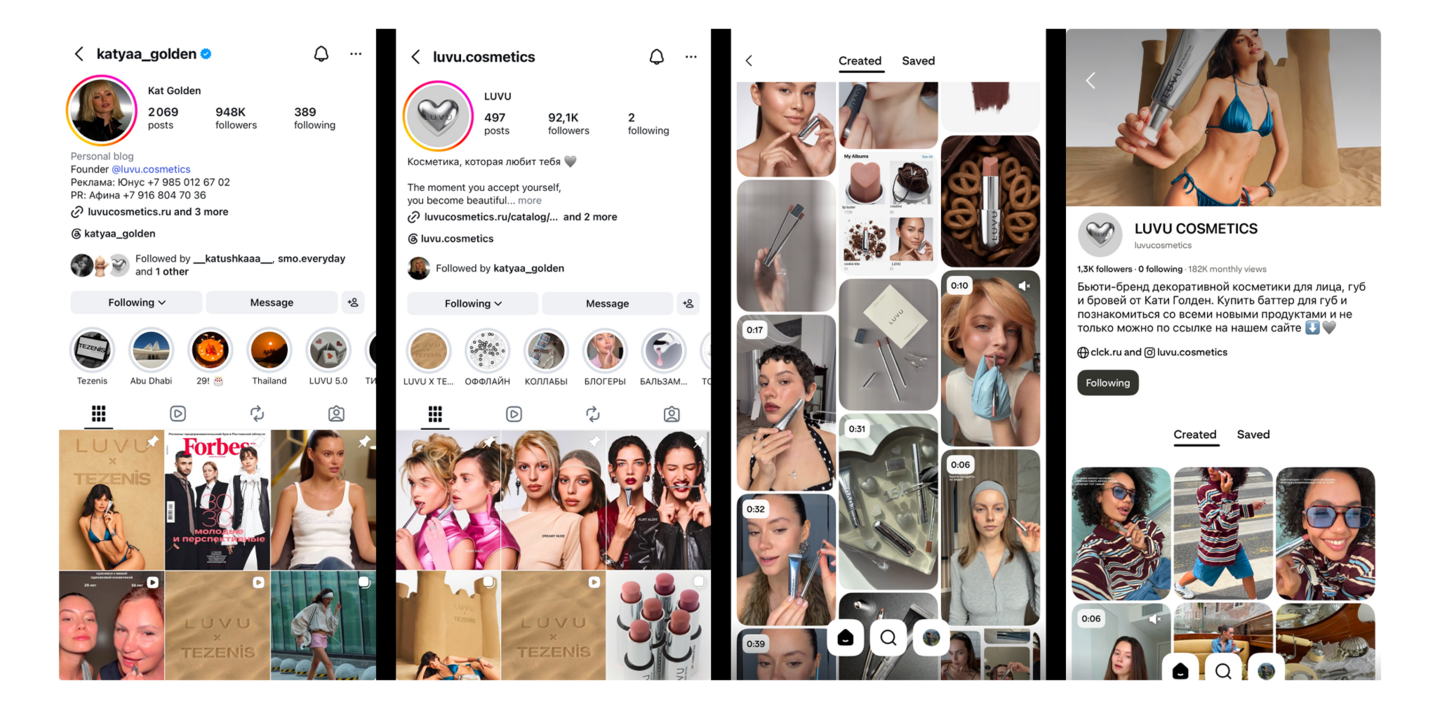
LUVU Official Website / Founder’s Personal Social Media Account / LUVU Official Instagram Account / LUVU Pinterest Account
An important element of LUVU’s communication strategy is the personal social media account of its founder, Katya Golden. Unlike traditional promotional models, where the brand and its founder operate separately, LUVU integrates the founder’s personal brand into the company’s overall communication system. Katya Golden regularly shares insights into product development, discusses her personal experience with the products, and communicates the brand’s values through her lifestyle content. As a result, a stronger emotional connection is established between the audience and the brand.
The official website performs both informational and commercial functions. It provides access to the product catalogue, the brand’s concept and philosophy, and purchasing options. In this way, the website serves as the final stage of the customer communication journey after initial engagement through social media platforms.
Pinterest serves as an additional communication channel for the brand. The platform is used to distribute visual content related to the brand’s aesthetic identity, products, and lifestyle associations. Unlike other social media platforms, which focus on audience engagement and interaction, Pinterest primarily functions as a source of visual inspiration and brand discovery. Through curated imagery and thematic boards, LUVU expands its visibility among users interested in beauty, fashion, and lifestyle content while reinforcing the visual identity of the brand.
[3] Theoretical Framework
Two communication theories were selected for the analysis of LUVU’s communication strategy: the Elaboration Likelihood Model (ELM) and Uses and Gratifications Theory. Combining these theoretical approaches makes it possible to examine the brand’s communication both from the perspective of persuasion mechanisms and from the perspective of audience motivations for consuming content.
The Elaboration Likelihood Model, developed by Richard Petty and John Cacioppo, explains how audiences form attitudes toward communication messages. According to the theory, information can be processed through two different routes. The central route involves careful consideration of arguments and message content, whereas the peripheral route relies on emotional responses, source attractiveness, and other external cues. The key concepts of the theory include the central route of persuasion, the peripheral route of persuasion, audience involvement, and information processing.
This theory is particularly suitable for analysing LUVU because the brand’s communication combines both rational and emotional elements. On the one hand, audiences are provided with information about products and their characteristics; on the other hand, visual aesthetics and the founder’s personal brand play a significant role in communication. The theory allows researchers to identify the persuasive techniques employed by the brand and to understand how consumer attitudes toward its products are formed.
The second selected theory, Uses and Gratifications Theory, views audiences as active participants in the communication process. According to this approach, individuals deliberately choose media content in order to satisfy specific needs. Key concepts of the theory include information seeking, entertainment, identity formation, social interaction, and aesthetic gratification.
Uses and Gratifications Theory is relevant to the analysis of LUVU because it helps explain why audiences engage with the brand’s content on social media. The theory makes it possible to identify which needs are fulfilled through the brand’s communication activities and what value audiences derive from interacting with its media platforms.
The research analyses communication materials from the brand’s website and social media channels through the lens of the selected theories to identify persuasion mechanisms and audience needs.
[4] Analysis of LUVU’s Brand Communication
LUVU’s communication strategy is built around visual content, the founder’s personal brand, and an active presence across digital platforms. An analysis of the brand’s official social media accounts and website demonstrates a high level of visual consistency throughout its communication. Similar colour schemes associated with the brand’s product packaging are used regularly across different forms of content. The metallic silver tone featured in the product design is repeatedly incorporated into product photography, promotional materials, influencer content, and the visual design of the website. As a result, the various elements of the brand’s communication are perceived as parts of a unified brand system.
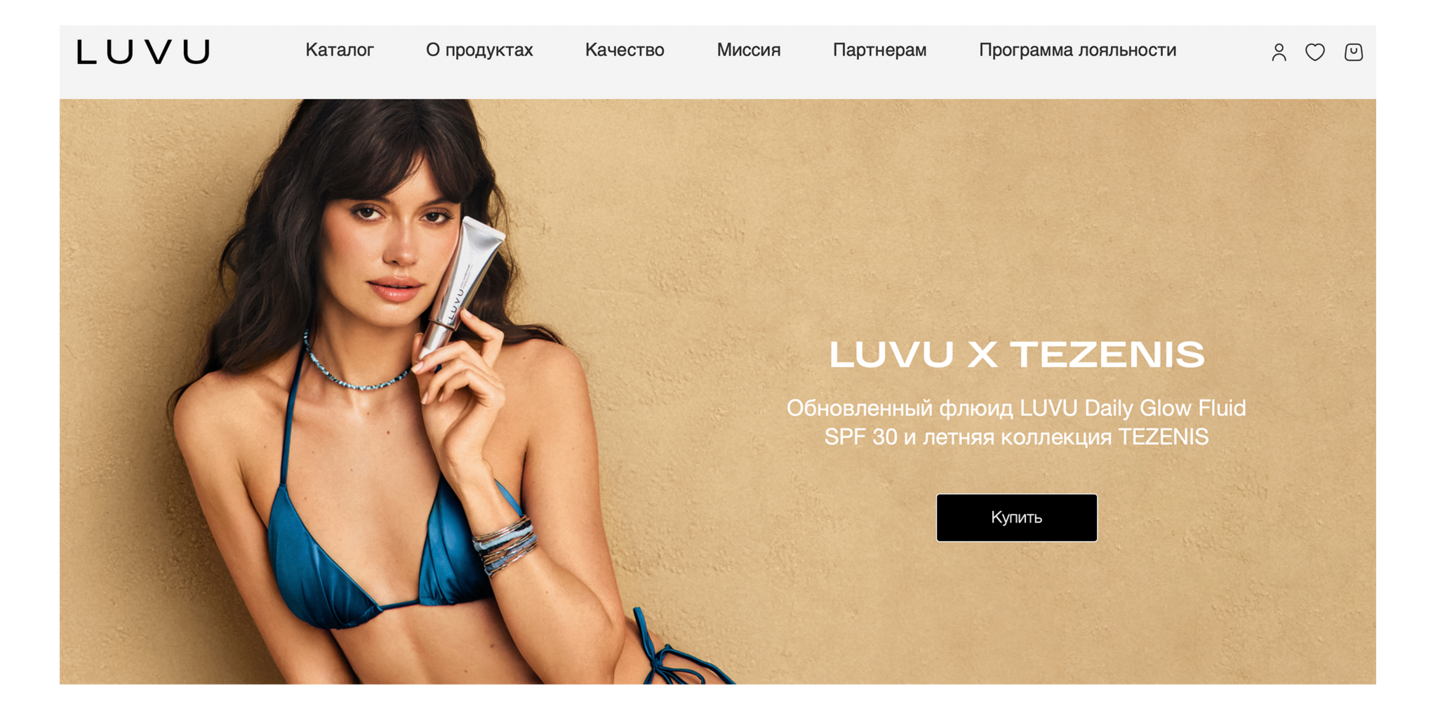
The official website follows the same visual concept. The homepage combines concise typography with product imagery and serves as a central point for presenting both new releases and bestselling products. It also features a slogan connected to self-acceptance and a positive perception of one’s appearance. The overall structure of the website maintains a minimalist approach, directing users’ attention towards the products and the brand’s key messages. The consistency of visual elements across the website and social media platforms contributes to the development of a recognisable brand image and reinforces the coherence of LUVU’s communication strategy.
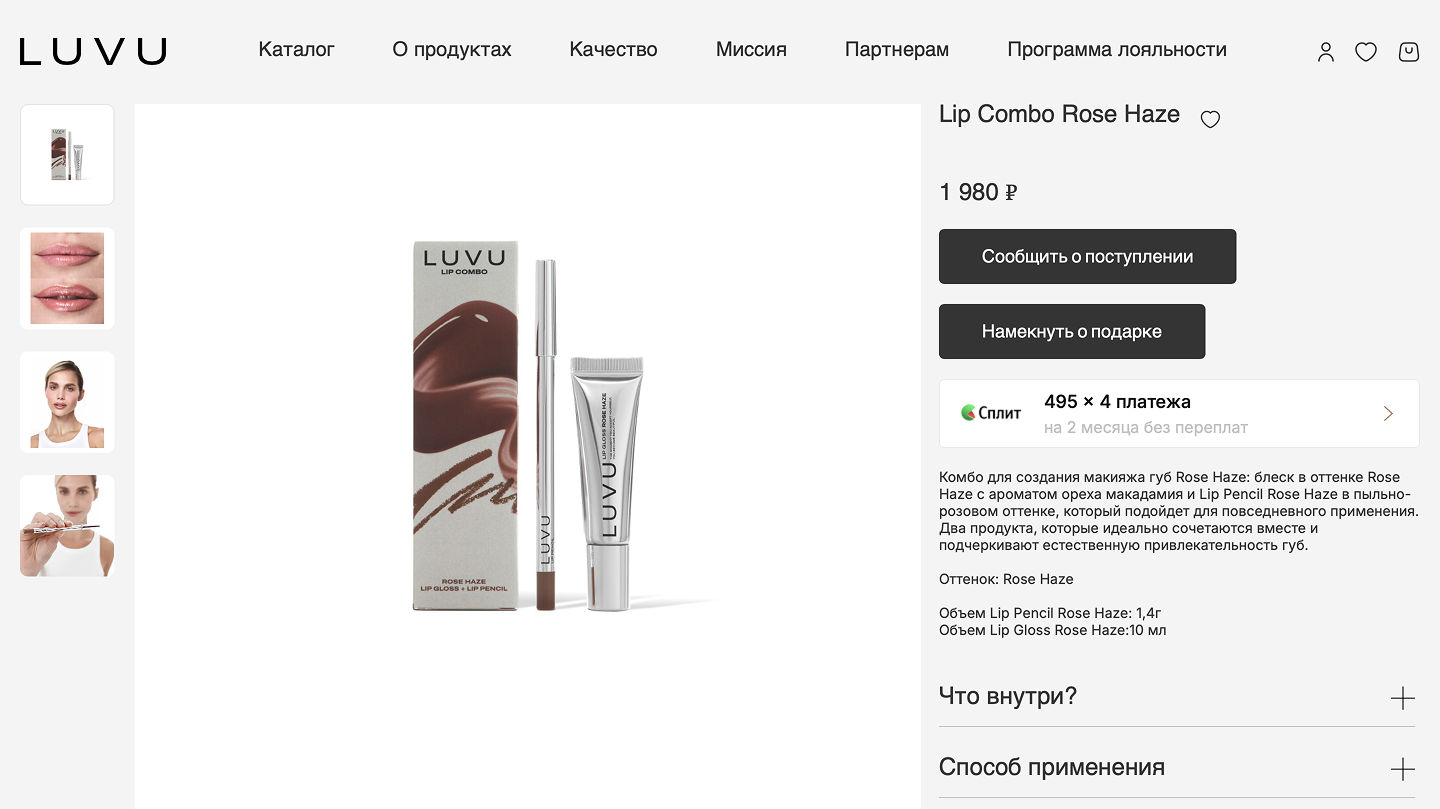
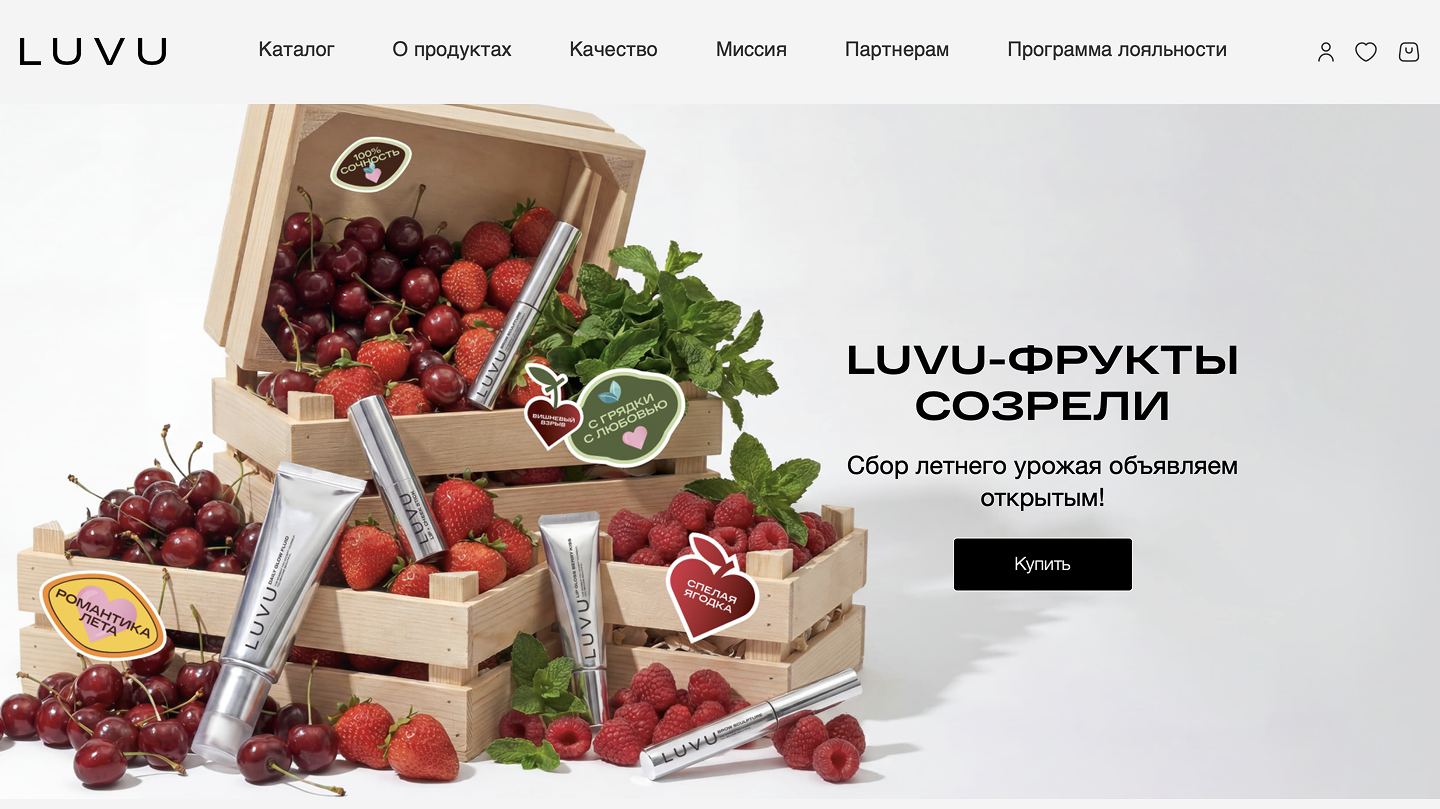
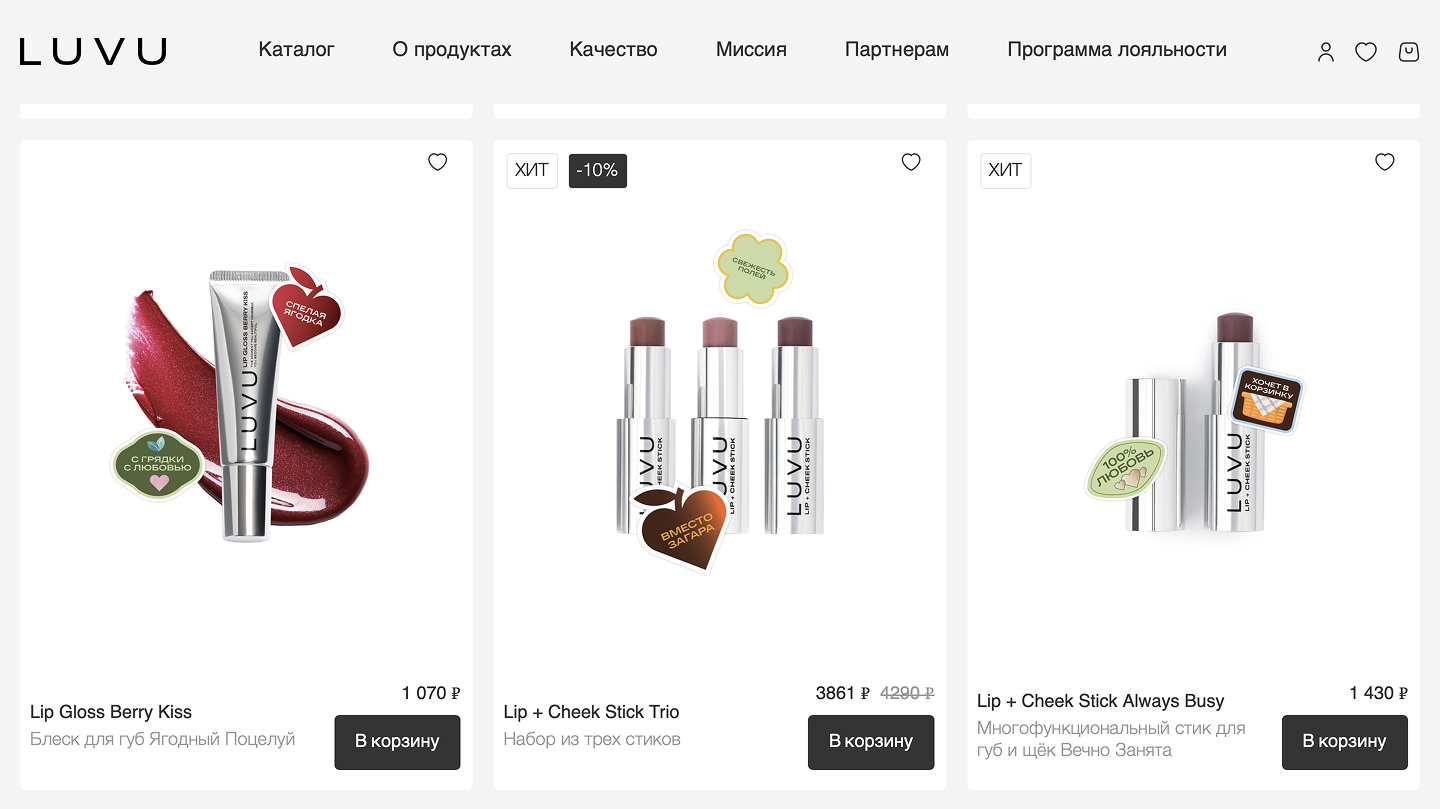
LUVU Website Homepage and Product Catalogue
A substantial proportion of the brand’s content is dedicated to product presentation. In posts featuring lip glosses, the product is often shown in close-up shots; however, the focus extends beyond the functional characteristics of the cosmetic item itself. The visual content incorporates references to flavour associations, mood, and everyday usage scenarios. For example, posts promoting Lip Gloss Berry Kiss and Lip Gloss Cola Crush include imagery associated with specific flavours and emotional experiences. Additional meaning is created through visual links between the products and fruits, beverages, and other objects that evoke particular sensory associations. Consequently, the cosmetic product is presented not only as a functional beauty item but also as part of a broader emotional experience.
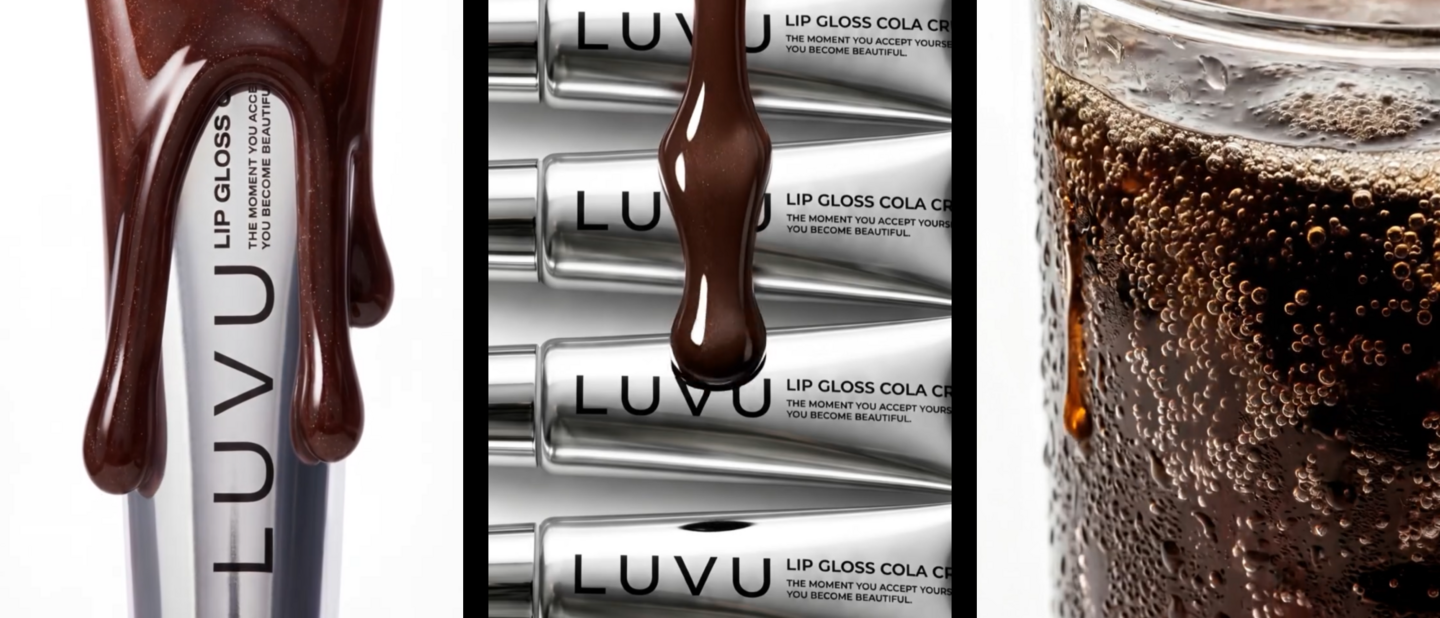
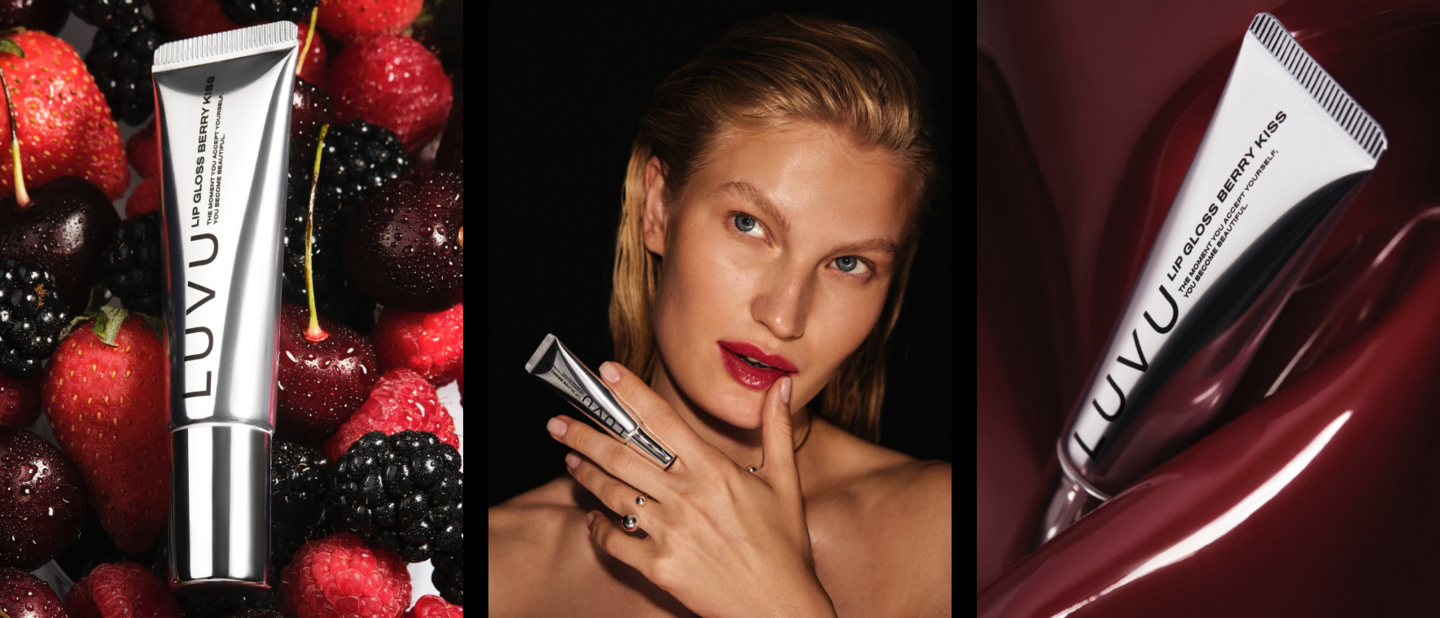
Social Media Posts Featuring Lip Gloss Berry Kiss and Lip Gloss Cola Crush
These communication practices can be analysed through the lens of the Elaboration Likelihood Model (ELM). In this case, the brand’s communication relies primarily on the peripheral route of information processing. Positive attitudes towards the brand are shaped through the visual appeal of the content, the aesthetic quality of the posts, and the emotional associations generated during content consumption. Product photography, colour coordination, the use of models, and a consistent visual style contribute to favourable impressions before consumers engage with detailed information about the product’s characteristics.
An additional persuasive factor is the presence of Katya Golden within the brand’s communication. The founder regularly appears in social media posts and video content, participates in product launches, and shares insights into the development of the company. Katya Golden’s personal brand is closely integrated into LUVU’s overall communication strategy and serves as an important source of credibility for the audience. A significant proportion of followers were familiar with the founder before engaging with the brand itself, which means that her involvement in promoting the products influences audience perceptions of the company. From the perspective of the Elaboration Likelihood Model, the recognisability of the communicator can be considered a peripheral cue of persuasion. In this case, trust in a public figure is transferred to the brand and its products. Katya Golden’s presence in the content strengthens the emotional connection between the brand and its audience and increases the likelihood of favourable responses to brand messages.


Social Media Posts Announcing the Launch of LUVU
LUVU’s content strategy consists of several recurring content categories. The majority of publications focus on the brand’s products. Alongside these posts, the brand regularly shares announcements of new launches, influencer collaborations, product reviews, and content related to the activities of the founder. This combination allows the company to showcase its product range, maintain audience interest, and extend communication beyond direct product promotion. The use of different content formats can be explained through Uses and Gratifications Theory. According to this theory, audiences actively select media content based on their individual needs and motivations. One of these needs is entertainment. In the case of LUVU, this function is fulfilled through short-form videos featuring dynamic editing, product demonstrations, makeup application processes, and carefully curated visual compositions. Such content provides an aesthetically engaging experience that sustains audience interest and encourages further interaction with the brand’s accounts. The content also satisfies aesthetic needs. The visual consistency of the brand’s publications, the cohesive colour palette, and the minimalist visual style create an appealing media environment that audiences may engage with not only for product-related information but also for visual inspiration and enjoyment.
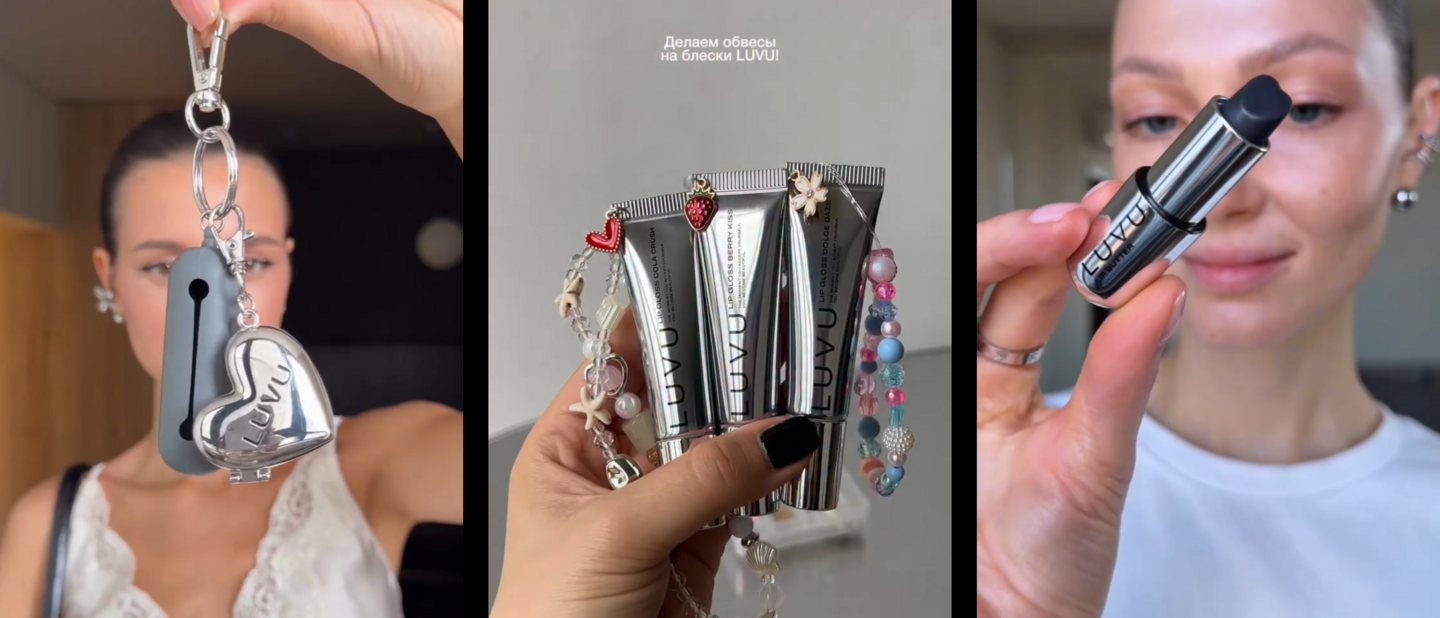
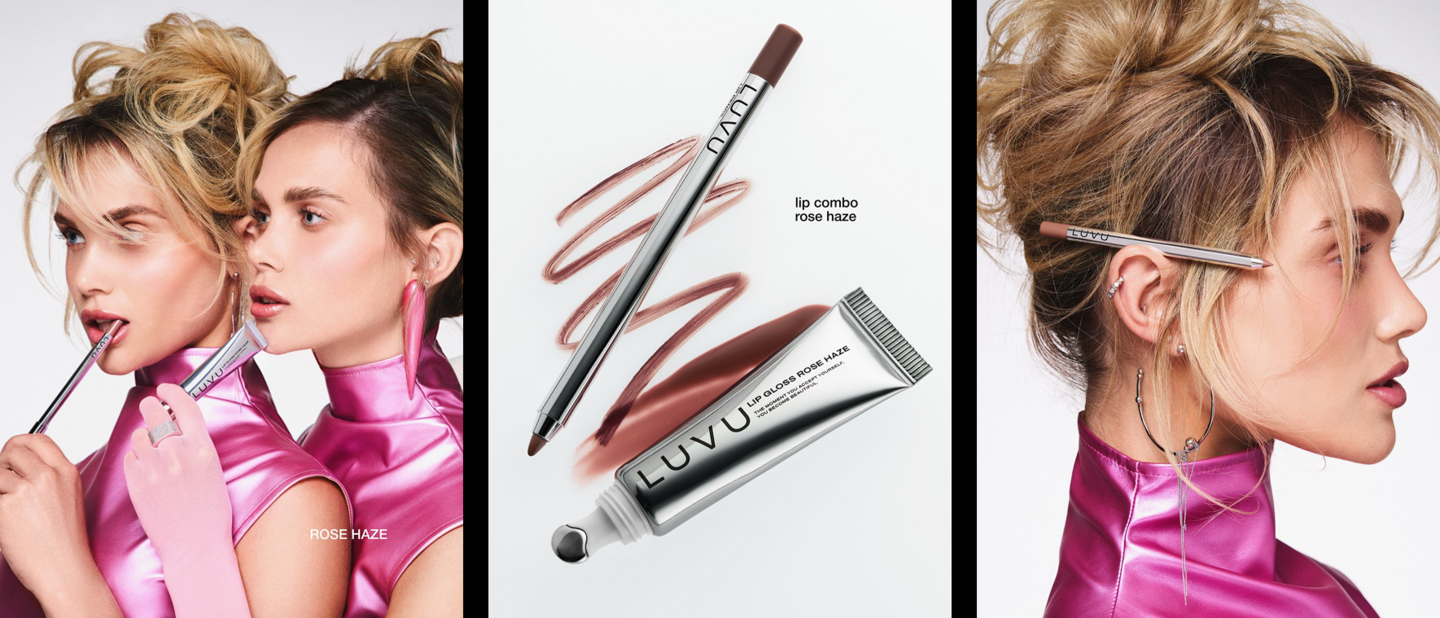
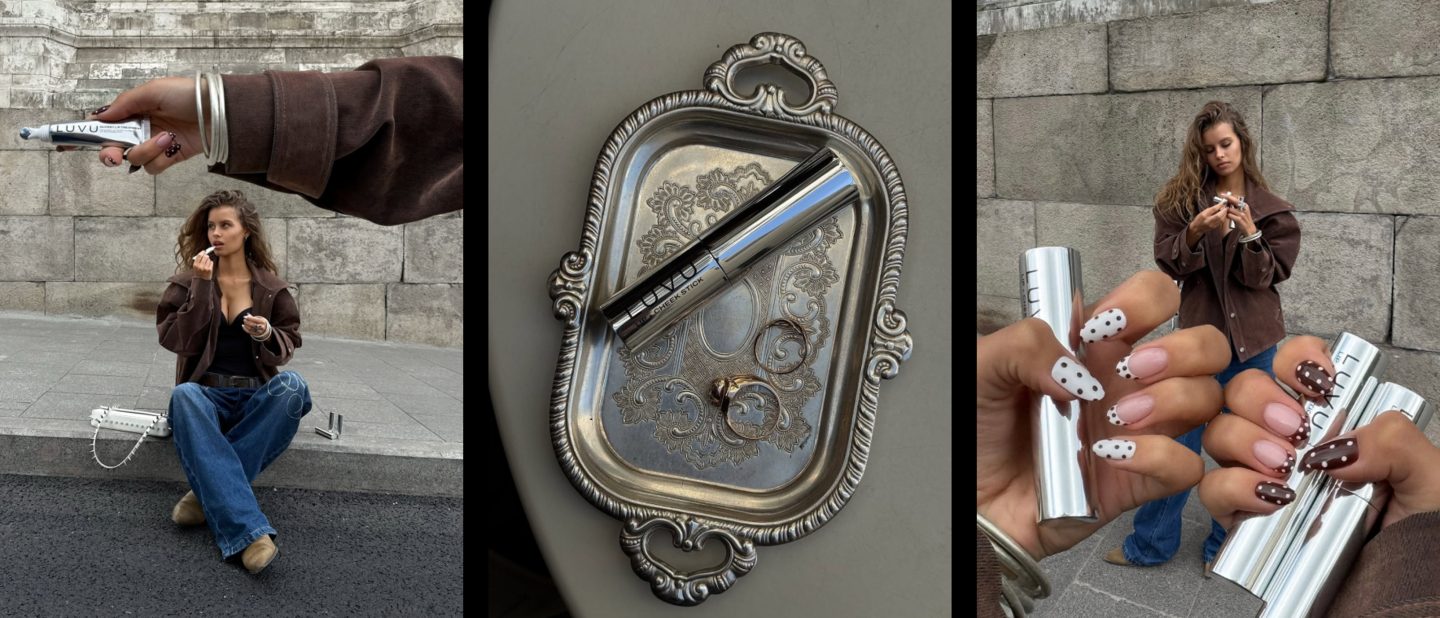
LIP COMBO #3 Launch Campaign / Influencer Content / User-Generated Stories
Another important audience need is the construction of personal identity. LUVU’s communication consistently promotes values associated with natural beauty, self-care, and self-acceptance. These ideas are particularly evident on the brand’s official website. Within the section dedicated to the brand philosophy, cosmetics are presented as a means of enhancing natural beauty rather than conforming to external beauty standards. The brand describes its products as tools for self-care and positive self-expression. Additional emphasis is placed on the practicality of cosmetics in everyday life. The website highlights that the products are designed for an active urban lifestyle, travel, and daily use. Such messages communicate a specific set of values with which consumers can align their own beliefs about beauty, self-care, and lifestyle. Within the framework of Uses and Gratifications Theory, this type of content contributes to the fulfilment of personal identity needs.